
Where the world ends, our story begins — Now shared with America.
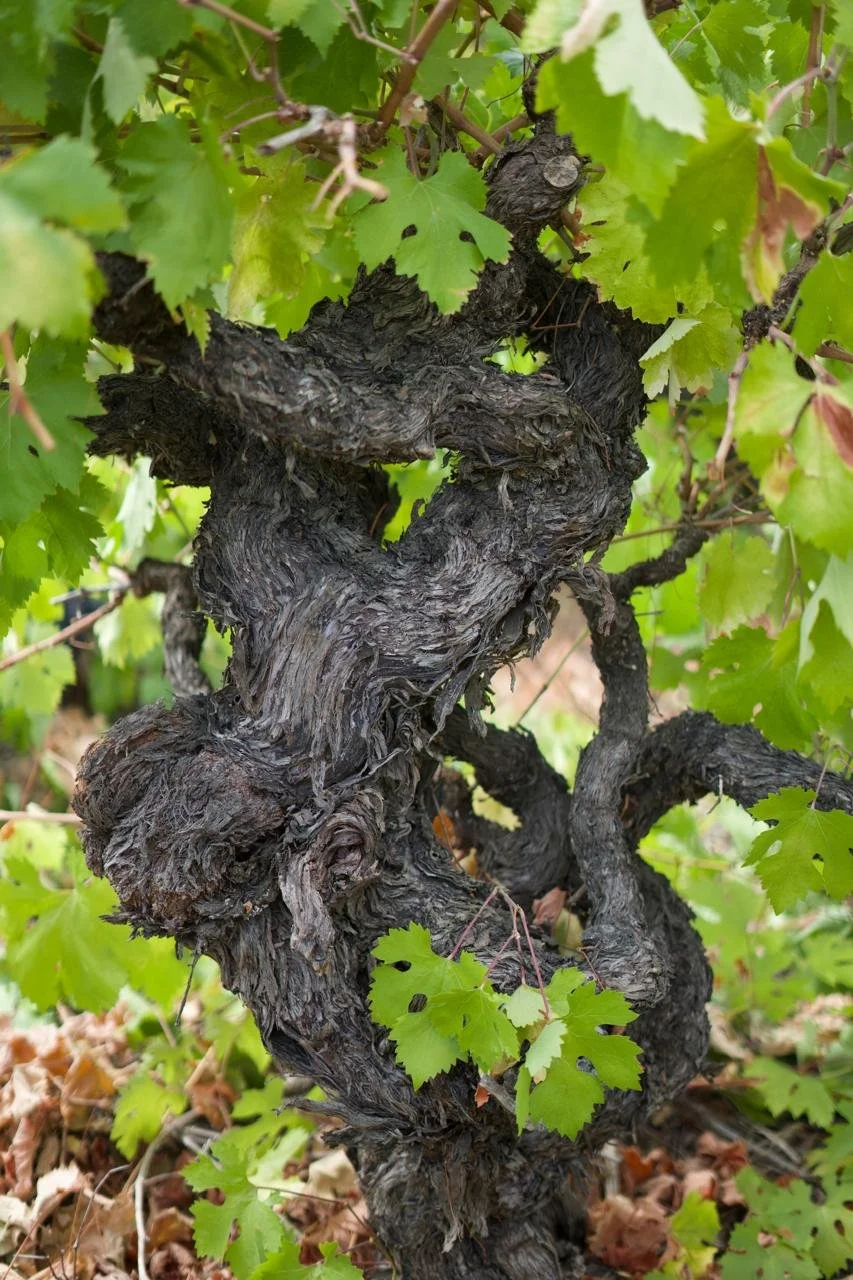
HERITAGE.
Old Vines, Living History.
We work with dry-farmed vineyards in Itata Valley, many planted over a century ago, preserving Chile’s Winemaking heritage through thoughtful, small-scale Production.
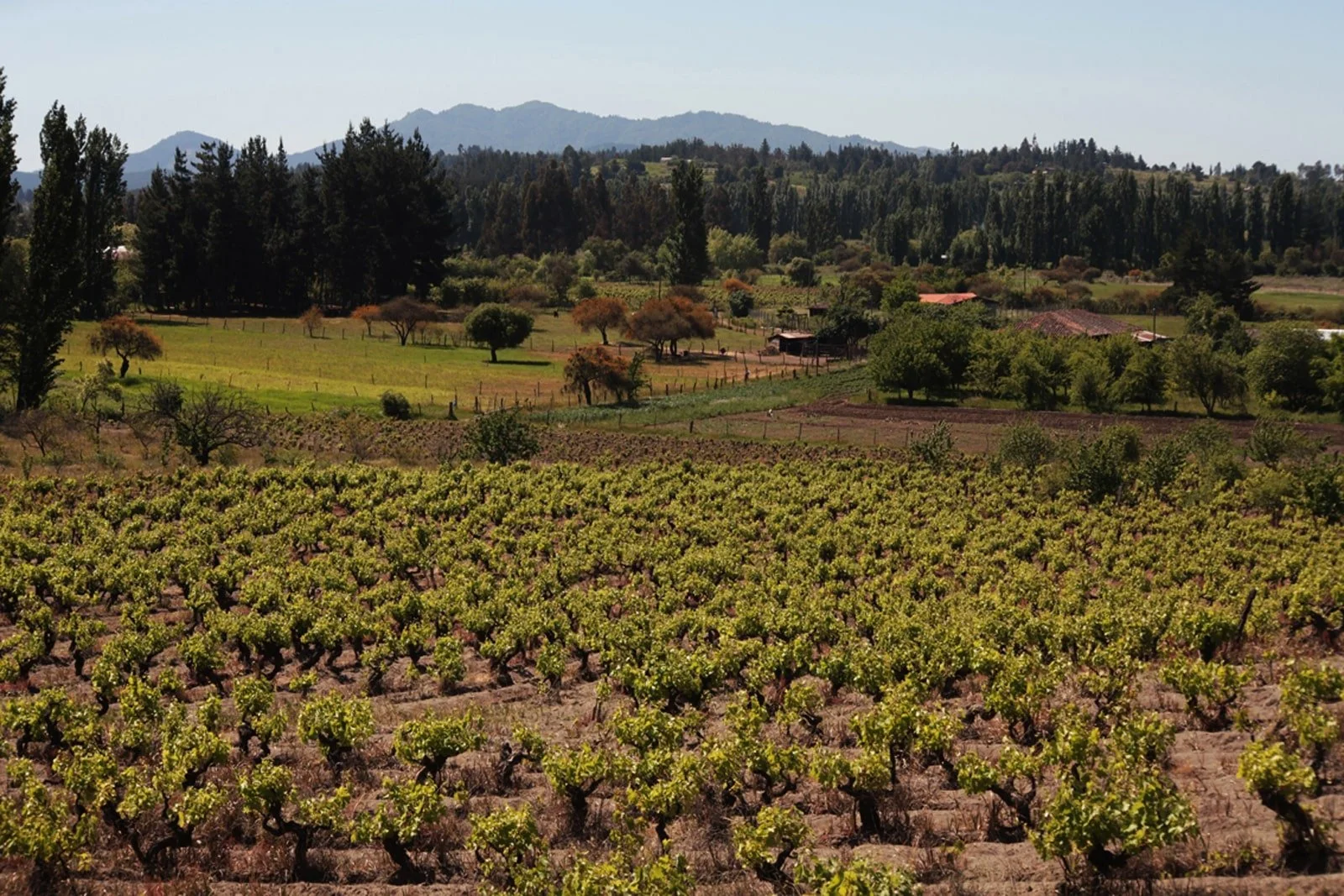
TERROIR.
Granite Soils & Coastal influence.
The wines of Itata are shaped by granite-rich soils, Pacific breezes, and tradicional head trained vines- Resulting in freshness, Balance, and a true sense of place.
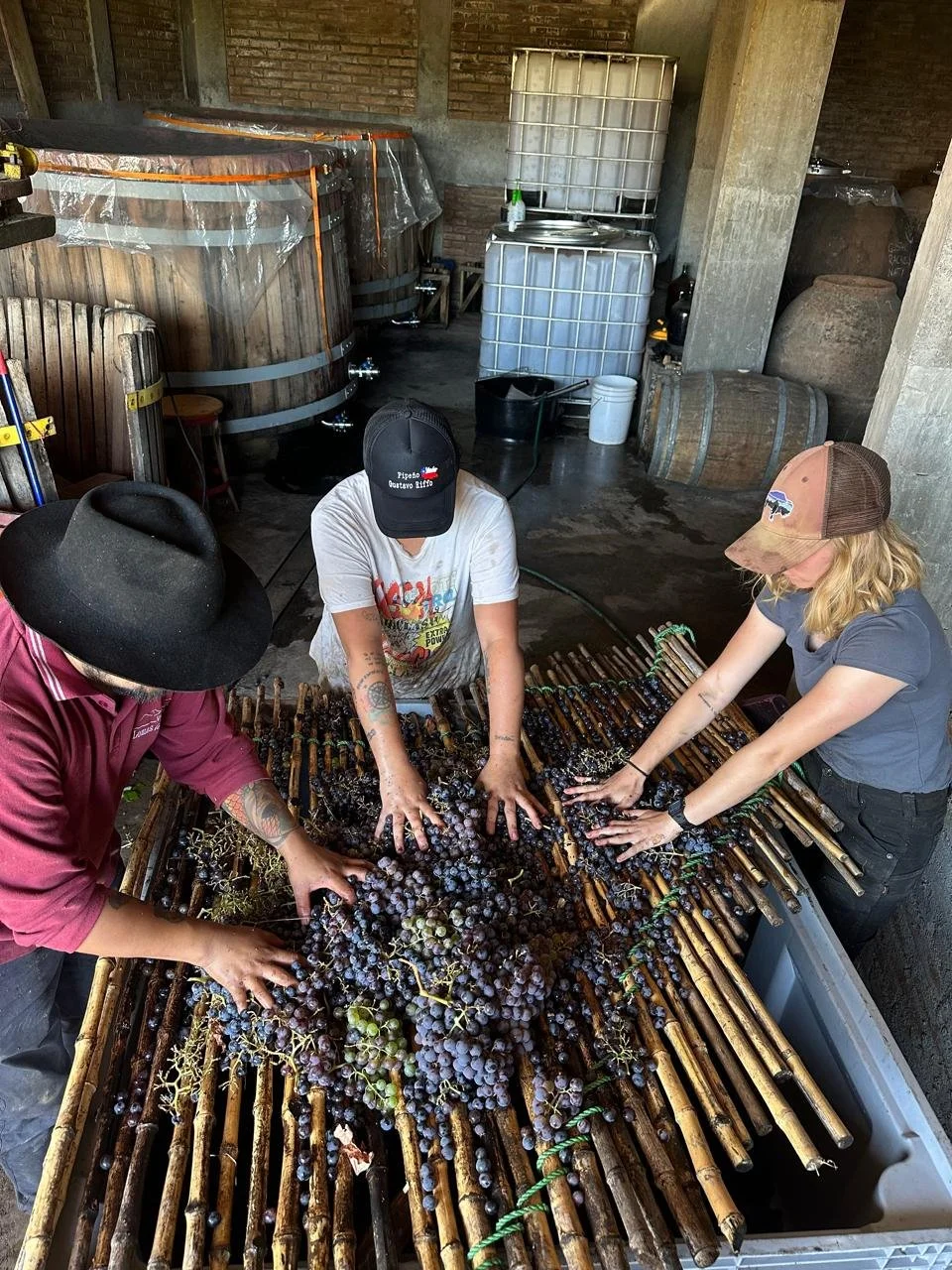
PHILOSOPHY.
Minimal Intervention, Honest Wines.
Our Producers favor Low-Intervention Methods that Respect the vineyard and vintage, allowing each grape variety to express its origin with clarity and authenticity.
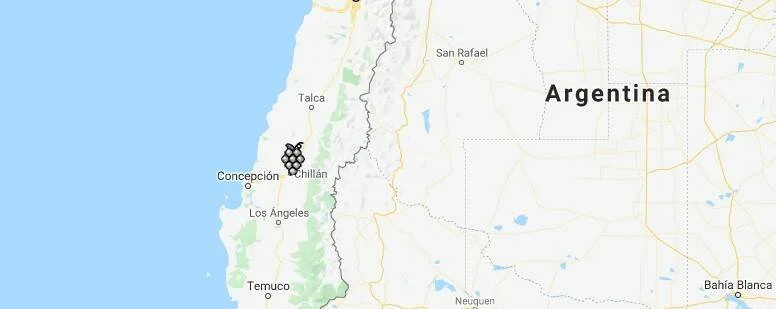
At the southern edge of the world, between the Andes Mountains and the Pacific Ocean, lies Chile’s Itata Valley—one of the oldest and most historically significant wine regions in the Western Hemisphere and perhaps the world.
For centuries, small, family-run vineyards in Itata have cultivated dry-farmed vines, using native varieties and traditional methods passed down through generations.
Here, wine is not an industry, but a cultural expression — deeply tied to land, time, and community.
Itata Valley Wines was created to bridge this heritage with the U.S. market. Our mission is to connect exceptional, small-scale producers from Chile’s Itata Valley with restaurants, retailers, and wine professionals in the United States who value authenticity, origin, and craftsmanship.
We focus on wines that speak clearly of where they come from: minimal intervention, honest farming practices, and a profound respect for terroir. Each bottle represents not only a vineyard, but a story — of resilience, tradition, and independent growers working outside mass production.
Beyond wine, our work supports sustainable agricultural networks and long-term economic opportunities for rural producers. By building direct commercial relationships, we help preserve cultural heritage while creating new pathways for responsible trade and growth.
From the end of the world to your table, we are proud to share the stories, wines, and people of the Itata Valley.
Our Expertise
I was born in Chillán, in the heart of southern Chile, and from a very young age I was drawn to the landscape of the Itata Valley, especially when visiting my grandparents, where I admired the vineyards that line the entrance toward Portezuelo — the cradle of wine in Chile. Over time, I came to understand that the vine was not just a crop, but a deep cultural, heritage, and symbolic expression that I felt was gradually losing visibility.
That awareness grew into a clear purpose: to demonstrate that our wines and our terroir deserve a place on the world stage.
I pursued my studies at a public school of excellence and later at the Instituto Superior de Comercio of Chillán, where I graduated Bachelor’s degree in Business Administration. My professional career developed across various roles within the Chilean retail sector, where I gained a strong commercial perspective, operational discipline, and a clear understanding of brand value. In parallel, I continued my higher education in Business Administration at the School of Business of the University of Concepción, Virginio Gómez campus, while collaborating with well-known retail brands in Chile.
Today, the project Partner with leading figures from the Itata Valley, such as Lomas de Llahuén Vineyards, led by renowned viticulturist Gustavo Riffo—twice recognized as the region’s best enotourism experience—and Gonzalo Santibáñez, a globally respected vineyard consultant and a key figure in Chilean viticulture, whose wines will be available beginning in February 2026. As the project continues to grow, we look forward to welcoming additional outstanding producers to our portfolio.
This project is rooted in the land, yet it looks outward to the world. It is an invitation to discover Itata—its living history and its wines—where origin and future meet.
Felipe Ignacio De la Fuente
Founder & Director ITATA VALLEY WINES.
Our work is supported by a network of highly experienced professionals with deep roots in Chile and extensive international experience. Among them is Gonzalo Santibañez, an enologist and geologist whose career spans vineyard and winery projects across multiple wine regions around the world.
His combined expertise in enology and geology allows for a precise, site-specific understanding of terroir — from soil composition and climate to farming practices and vine behavior. This global perspective, paired with hands-on experience in Chile, ensures that each wine is evaluated and selected with both technical rigor and a clear sense of place.
Below, we explore the history of the Itata Valley and its key grape varieties.
Alexandria Muscat / Moscatel de Alejandria.
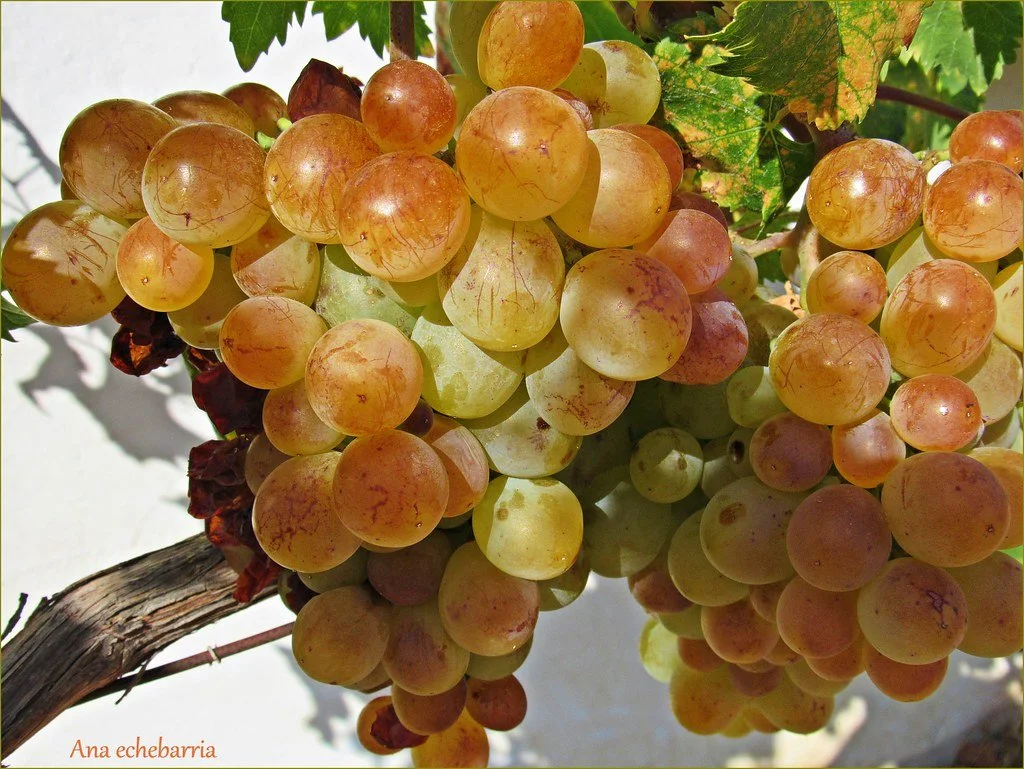
One of the oldest cultivated grape varieties in the world, Moscatel de Alejandría traces its origins back thousands of years to the Mediterranean basin, with historical references linking it to ancient Egypt, Greece, and the Roman Empire. Revered for its aromatic intensity and versatility, the variety spread across Europe and later to the Americas through early maritime trade routes.
In Chile, Moscatel de Alejandría arrived during the colonial period and took deep root in regions such as Itata, where dry-farmed vineyards and traditional practices preserved its character over generations. Historically used for both table wines and traditional spirits, today the variety is being rediscovered through thoughtful, low-intervention winemaking that highlights freshness, texture, and a strong sense of place.
In Itata, Moscatel expresses a distinct identity—shaped by old vines, granitic soils, and coastal influence—offering wines that are expressive, transparent, and deeply connected to their origin
Pais - Listan Prieto/Mission
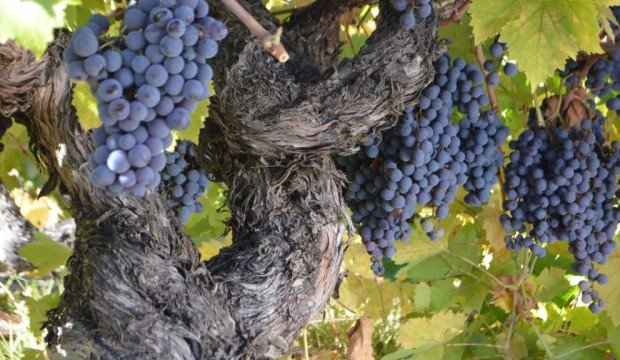
País is one of the oldest grape varieties in the Americas and the soul of Chile’s earliest vineyards. Introduced by Spanish settlers in the 16th century, it took deep root in the Itata Valley, where dry-farmed, head-trained vines—many over a hundred years old—continue to shape a wine culture defined by resilience and authenticity.
Long misunderstood, País has reemerged as a symbol of heritage and honest winemaking. These wines are light to medium-bodied, fresh and vibrant, offering flavors of wild strawberries, red cherries, and subtle floral and herbal notes. Bright natural acidity and soft tannins make País remarkably versatile at the table and especially enjoyable when served slightly chilled.
In Itata, País is more than a grape—it is living history. It reflects generations of small farmers, granite soils, coastal influence, and a modern, minimal-intervention approach that respects origin over artifice. Each bottle tells a story of place, tradition, and quiet elegance—where the past is preserved and the future is poured.
Cinsault
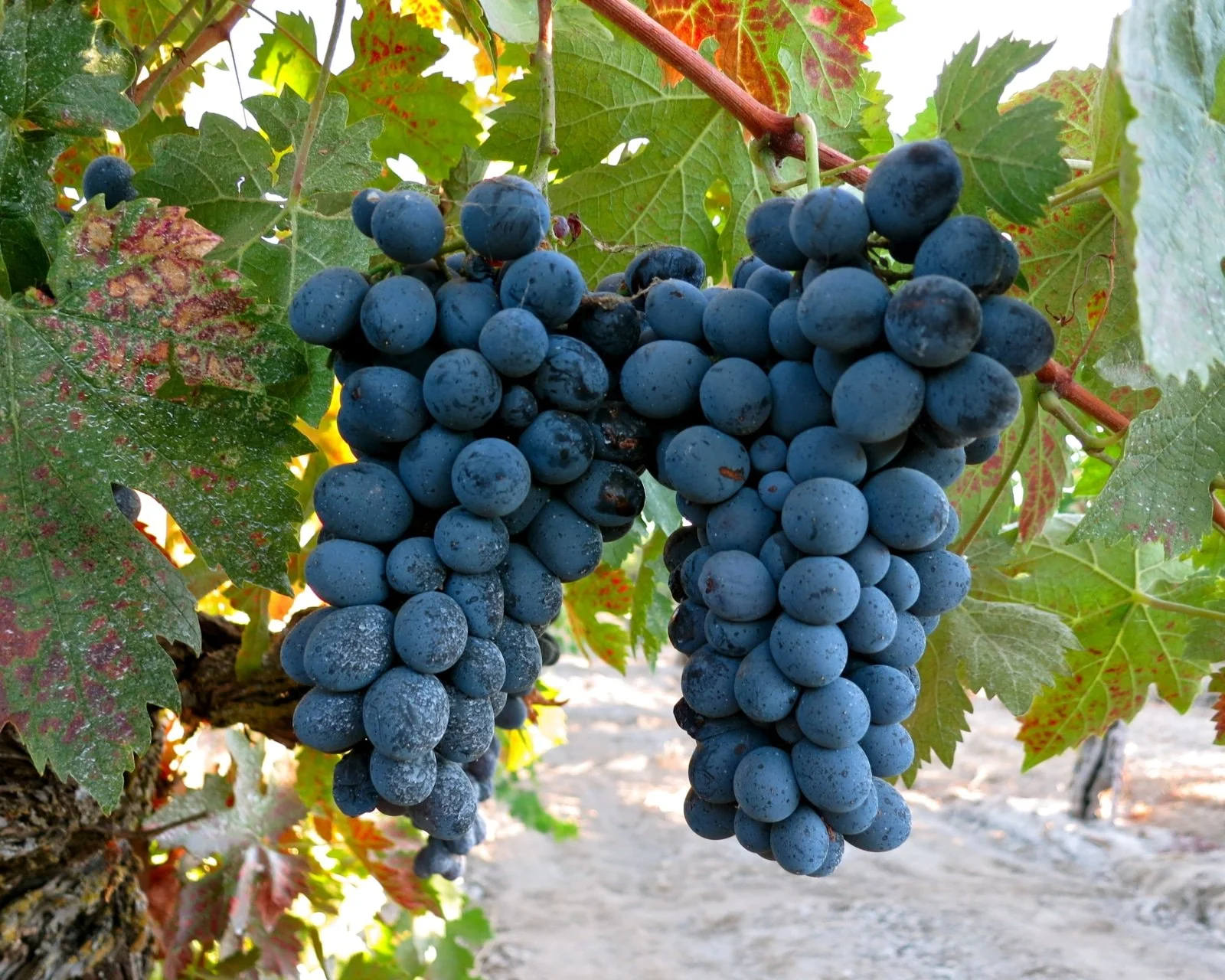
Cinsault is a Mediterranean grape variety with deep roots in southern France, particularly in Provence and Languedoc. For centuries, it has been valued for its delicate aromas, light structure, and remarkable ability to thrive in warm, dry climates. Traditionally used in rosé blends and fresh red wines, Cinsault became a cornerstone of the region’s winemaking culture.
The grape found an unexpected second home in Chile. During the late 19th and early 20th centuries, Cinsault was introduced to the southern part of the country, where it settled naturally into the rolling coastal hills of the Itata Valley. With its granitic soils, old dry-farmed vineyards, and a long history of small-scale, family-driven agriculture, Itata offered ideal conditions for the variety to express purity, freshness, and a distinct sense of place.
In the glass, Cinsault offers elegance and freshness rather than weight. These wines are typically light to medium-bodied, with aromas of red berries, rose petals, and subtle spice. The palate is supple and lively, marked by bright acidity, fine tannins, and a delicate, silky texture that invites another sip.
Today, Itata’s Cinsault represents a new chapter for an old grape—one defined by precision, balance, and transparency. Crafted with minimal intervention and respect for tradition, these wines capture a sense of place that is both approachable and distinctive, bridging rustic origins with contemporary finesse.
Semillon
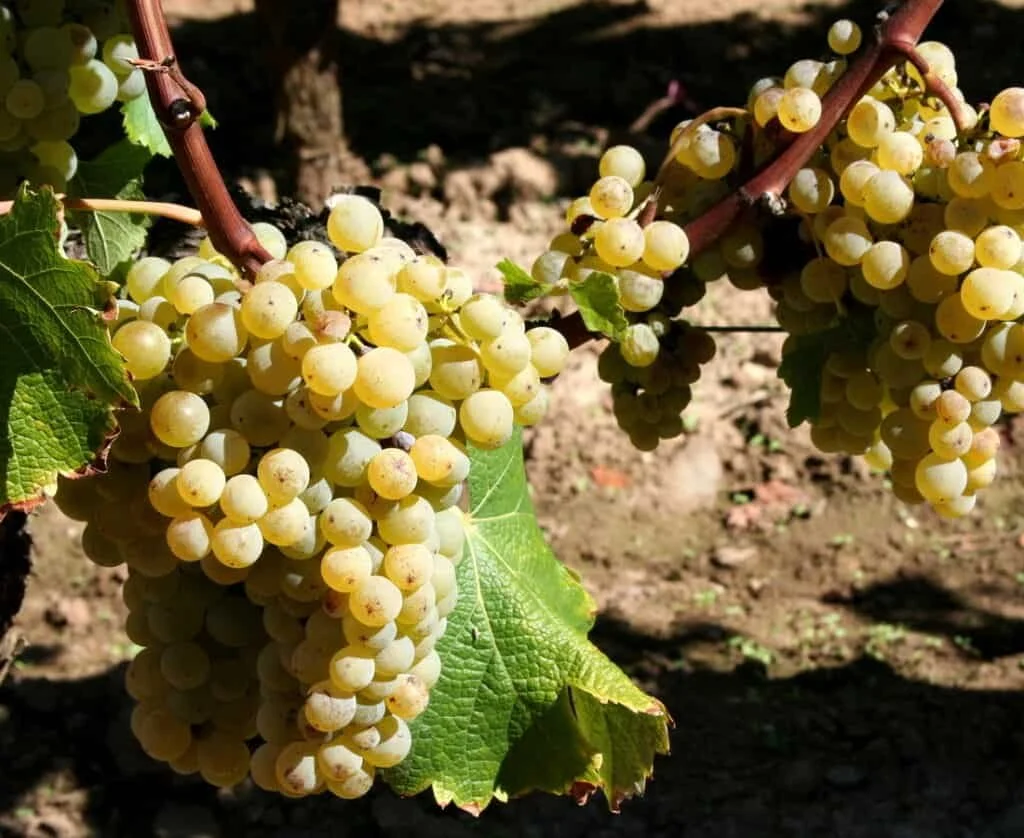
Originally from Bordeaux, France, where it has been cultivated since the 18th century, Semillon was long valued for its texture, longevity, and understated complexity. Brought to Chile in the mid-19th century, it became widely planted across the south—yet only in the Itata Valley did it remain untouched by trends and commercial replacement.
Here, Semillon took root in dry-farmed granitic soils, tended by generations of small growers. Many of these vines—now 60 to over 100 years old—form one of the world’s most important living Semillon heritages.
Shaped by a cool climate and Pacific influence, Itata Semillon favors restraint over intensity. The wines are dry, mineral-driven, and quietly expressive, revealing subtle notes of citrus peel, chamomile, dried herbs, and a distinctive saline edge. With time, they gain depth and complexity without losing their sense of place.
This is Semillon without excess—
a wine of memory, endurance, and true origin.
In Itata, Semillon is not a revival trend; it never left. It stands as a testament to Chile’s rural wine culture and to a way of farming that values endurance over immediacy. For modern drinkers seeking authenticity, old vines, and true terroir expression, Itata Semillon offers something increasingly rare: honest elegance rooted in history.
Carignan (Cariñena)
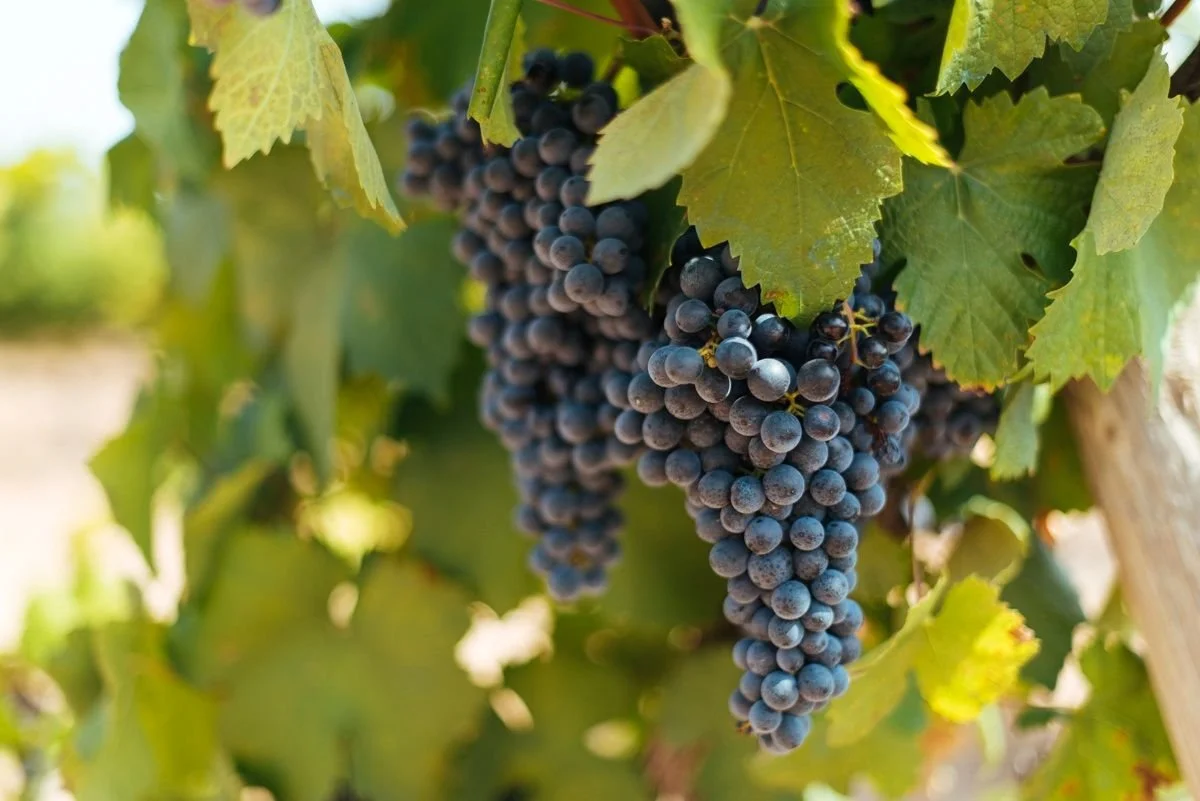
Carignan, also known as Cariñena, traces its origins back centuries to Aragón, in northeastern Spain. From there, it traveled across the Mediterranean and became deeply established in southern France, where it was long valued for its resilience and structure.
For much of the 20th century, Carignan was often associated with high yields and simple wines. But when grown with low yields—especially from old vines—and handled with care, it shows its true character: lively natural acidity, depth, and an earthy, savory edge that makes it uniquely food-friendly.
In Itata, that energy feels especially at home. Carignan tends to express red and dark fruit, a subtle herbal lift, hints of spice, and a long, structured finish. It’s a grape that rewards restraint—less makeup, more place.
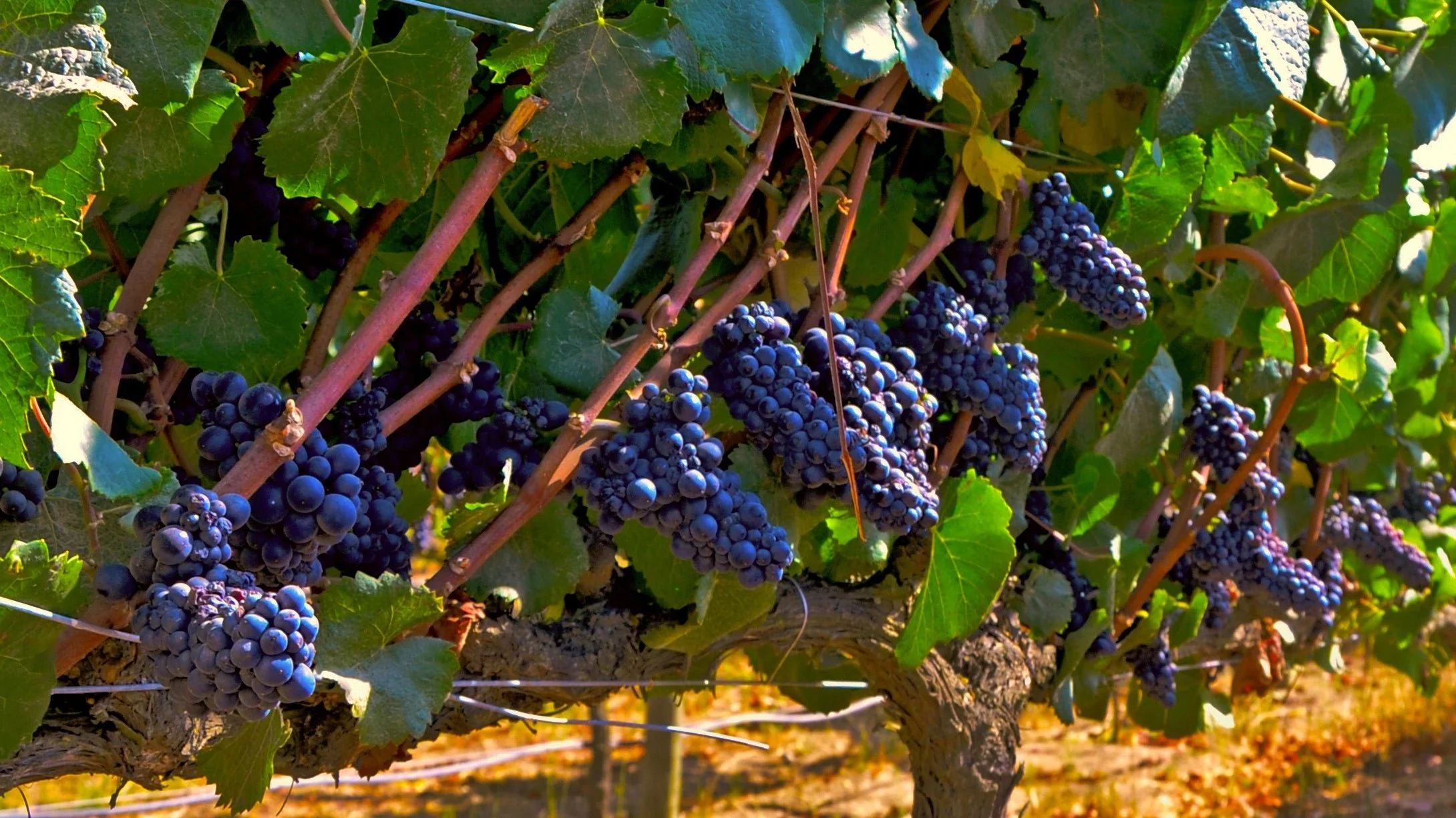
Carménère
Originally from Bordeaux, France, Carménère was once planted alongside Cabernet Franc and Merlot. Valued for its deep color and herbal profile, the variety struggled in Europe due to its late ripening and sensitivity to cold. After the phylloxera crisis of the late 19th century, it was largely abandoned and eventually considered extinct.
Unknowingly, Carménère had already found refuge in Chile.
Introduced in the mid-1800s, it survived for over a century in Chile’s vineyards—often mistaken for Merlot—until DNA analysis in 1994 confirmed its identity. Today, Carménère stands as Chile’s emblematic red variety, capable of expressing very different personalities depending on place.
At Itata Valley Wines, we work with Carménère from two distinct Chilean origins.
In the Itata Valley, Carménère grows in a cooler climate, rooted in ancient granitic soils rich in quartz, with clay-influenced parcels in certain sites. These conditions shape a more restrained expression—fresh, savory, and mineral-driven—often sourced from old, dry-farmed or mixed vineyards. The wines emphasize herbal notes, tension, and transparency, reflecting Itata’s historic and rural wine culture.
In Colchagua Valley, Carménère finds a contrasting expression. Warmer days and deeper soils allow for greater ripeness and concentration, resulting in wines with darker fruit, rounder textures, and a more generous profile, showing the variety’s depth and richness without losing balance.
Together, these two origins tell a complete story of Carménère in Chile—from heritage and restraint to structure and generosity. One grape, two valleys, shaped by land, climate, and tradition.
Chardonnay
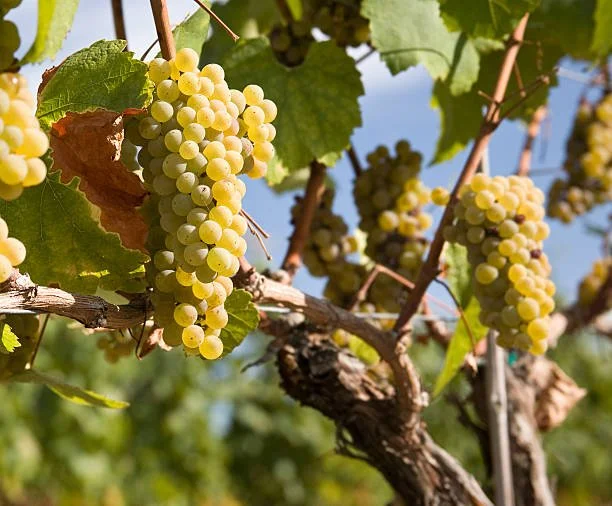
Chardonnay in Itata Valley: history and diversity of styles
Chardonnay is one of the most influential and versatile grape varieties in the history of wine. Originating in Bourgogne, France, it has been valued for centuries for its ability to adapt to different climates and soils, and for its capacity to clearly express a sense of place. This quality has made Chardonnay a global reference, capable of producing styles that range from fresh and vibrant to richer and more complex expressions.
The variety arrived in Chile in the late 19th century, where it found exceptional conditions for its development. The country’s climatic diversity, Pacific Ocean influence, Chilean Chardonnay to develop a distinct identity, establishing itself as one of the country’s most important white grape varieties on the international stage.
In the Itata Valley, Chardonnay becomes part of a territory historically linked to heritage varieties, offering a contemporary interpretation shaped by cooler conditions, and small-scale viticulture. These factors encourage slower ripening, natural acidity, and well-defined profiles, making the valley ideal for exploring multiple expressions of the variety.
A range of Chardonnay profiles in Chile
We will offer different profiles of Chardonnay, reflecting both the diversity of the valley and the range of expressions that Chile has developed over time:
Coastal-influenced Chardonnay, marked by freshness, vibrant acidity, and citrus and mineral notes.
Chardonnay from interior areas of the valley, with a more balanced and fruit-driven profile, showing notes of apple, peach Compote, and a broader texture.
Carefully oak-aged Chardonnay, where measured use of wood adds texture and complexity without overshadowing the wine’s character.
Contemporary-style Chardonnay, focused on purity, balance, and a clear expression of origin, with minimal enological intervention.
This diversity of styles reflects a clear vision: allowing origin, climate, and vineyard to define each wine, rather than adhering to a single formula.
In addition, we aim to showcase both the distinctive profiles of the Itata Valley and some of the most acclaimed Chardonnay expressions from across Chile, including renowned regions such as Casablanca and Limarí Valley, bringing together origin-driven wines and international recognized benchmarks.
Cabernet Sauvignon- the King of Kings.
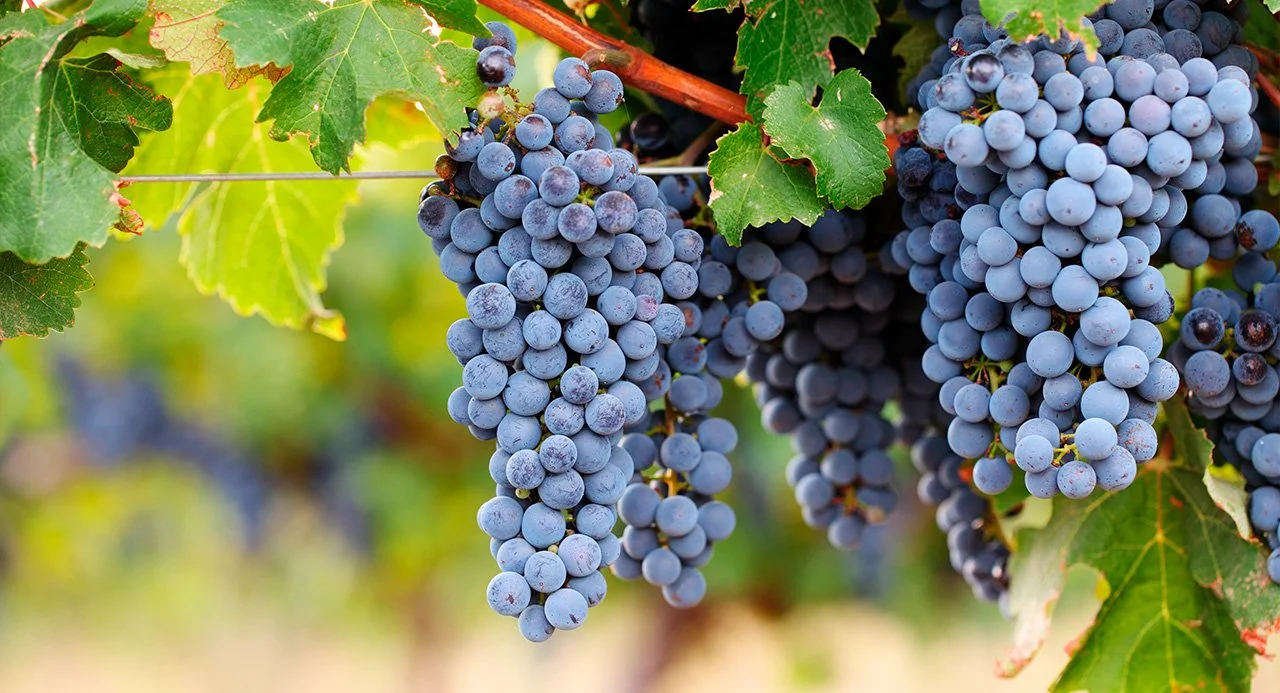
Cabernet Sauvignon is one of the most recognized and widely planted grape varieties in the world. Its origins date back to 17th-century Bordeaux, France, where it emerged from a natural cross between Cabernet Franc and Sauvignon Blanc. Since then, it has become a global symbol of structure, longevity, and elegance, successfully adapting to diverse terroirs around the world.
Cabernet Sauvignon in Chile
Cabernet Sauvignon arrived in Chile in the mid-19th century, during a period of strong French influence on Chilean viticulture. Thanks to the country’s natural geographic isolation—the Pacific Ocean, the Andes Mountains, the Atacama Desert, and the southern ice fields—Chile remained free of phylloxera, allowing vineyards to thrive on their own roots and develop a distinctive expression of classic grape varieties.
In Chile, Cabernet Sauvignon found ideal growing conditions: moderate climates, generous sunlight, wide diurnal temperature variation, and diverse soils. Over time, it became one of the country’s flagship varieties, particularly in regions such as Maipo, Colchagua, and Cachapoal, and lastly Maule valley—helping to establish Chile’s international reputation for high-quality wines.
Cabernet Sauvignon and the Itata Valley
In Itata, Cabernet Sauvignon expresses itself differently than in Chile’s warmer regions, showing greater natural freshness, more restrained aromatic profiles, firm yet elegant tannins, and a character that reflects the landscape and agricultural traditions of the valley. In many cases, these vineyards coexist alongside old vines and are farmed using environmentally respectful practices, offering a more authentic and less interventionist interpretation of the variety.
We invite you to discover the Cabernet Sauvignon of the Itata Valley: an honest expression of origin, crafted to be explored, understood, and enjoyed.
Follow Us On Social