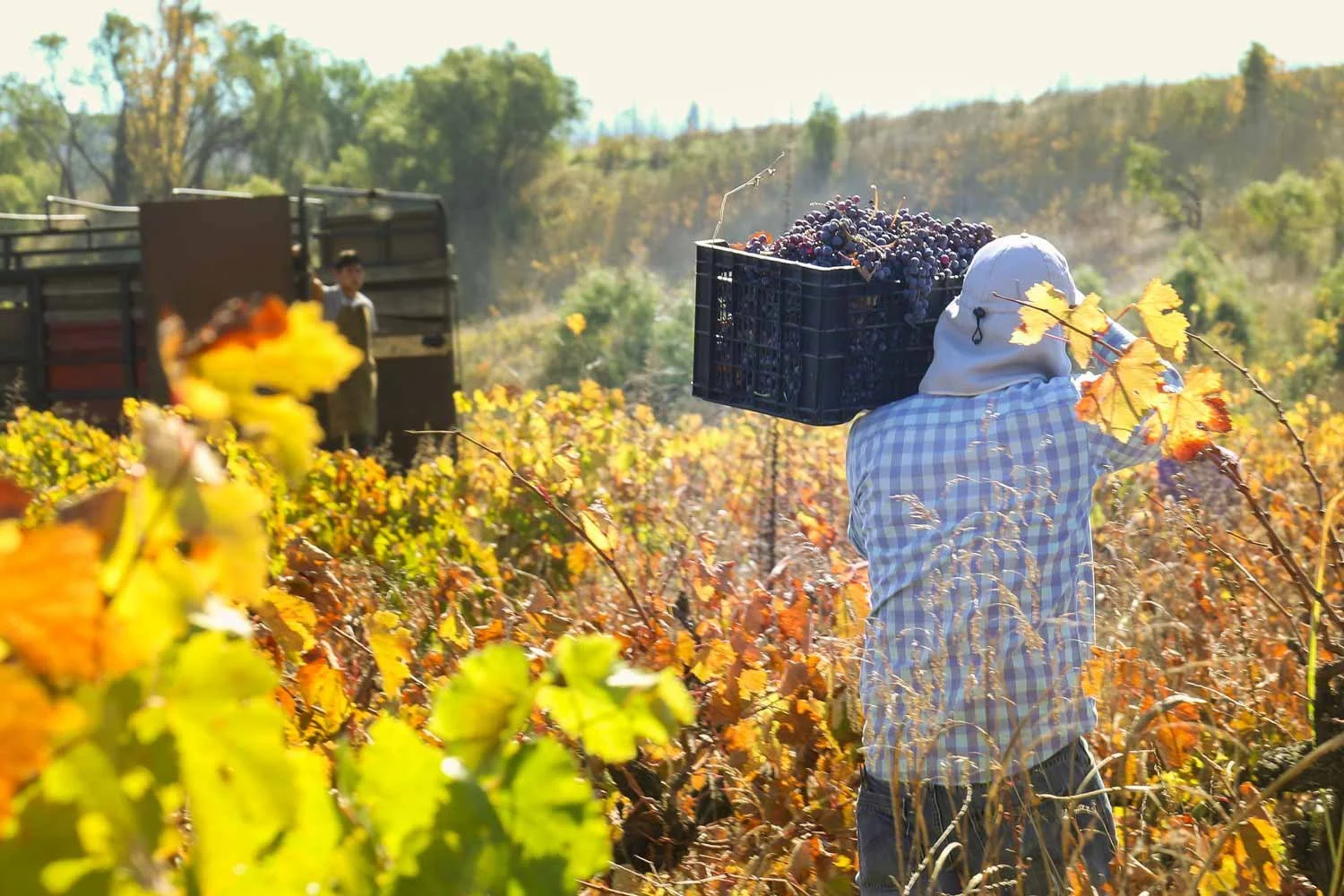
Through the Vineyards of Itata Valley
It all begins with an idea.
Itata Valley: Location & History
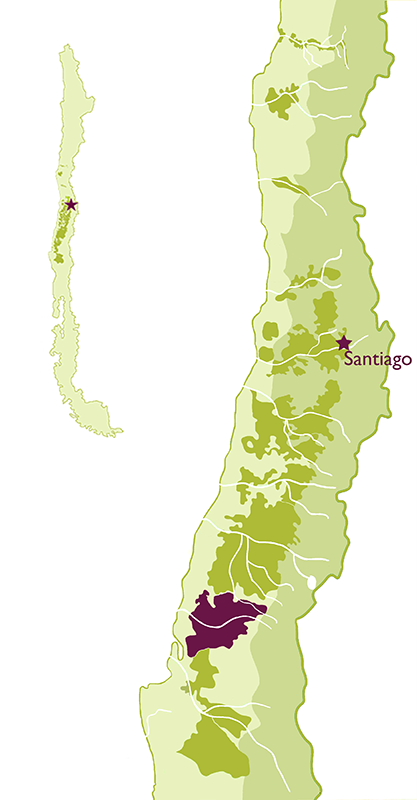
In purple, the location of the Itata Valley is highlighted — a privileged place for dry-farmed vineyards whose terroir expresses wines of world-class quality.
The Itata Valley is located in southern Chile, in the Ñuble Region, approximately 310 miles south of Santiago. Shaped by the influence of the Pacific Ocean, the valley enjoys a cool, temperate climate, rolling hills, and predominantly granite-rich soils, creating a landscape that has remained largely unchanged for centuries.
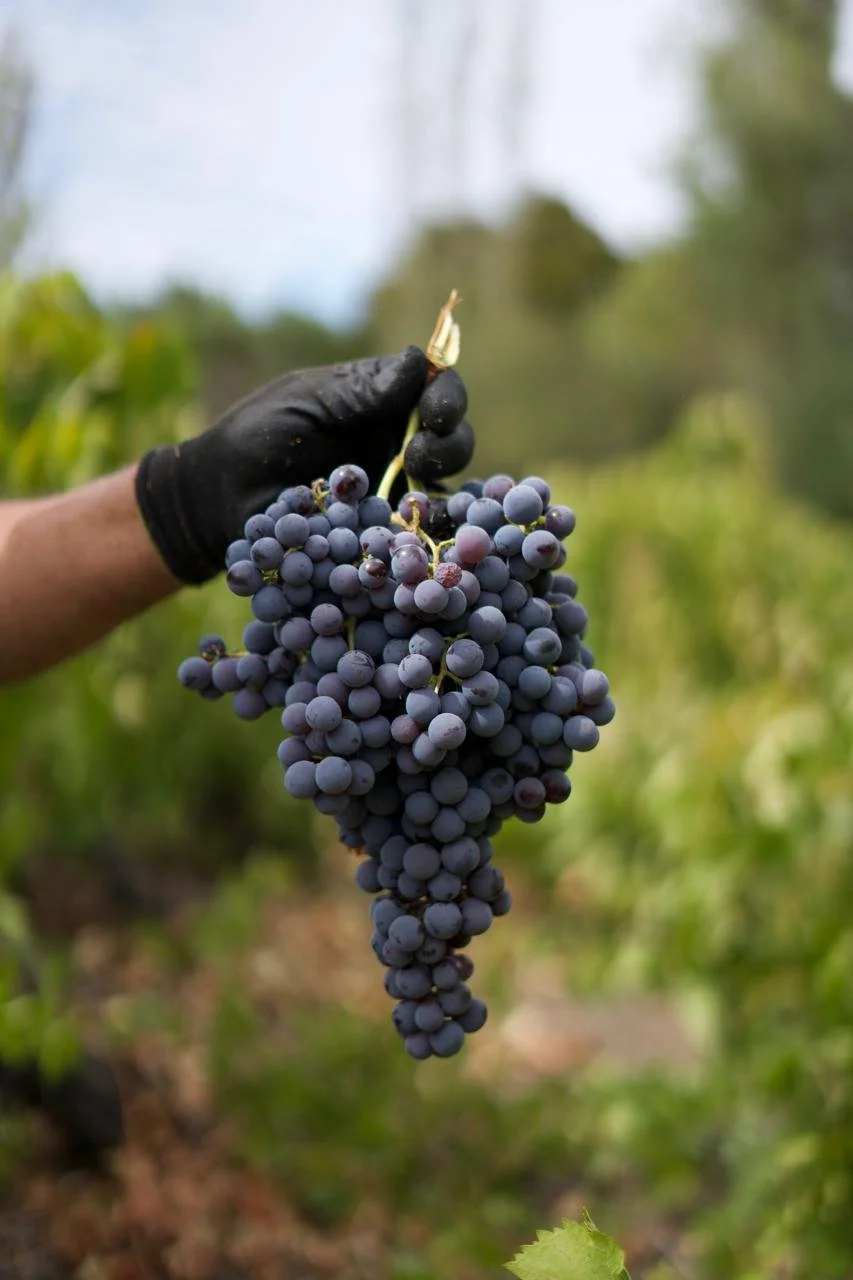
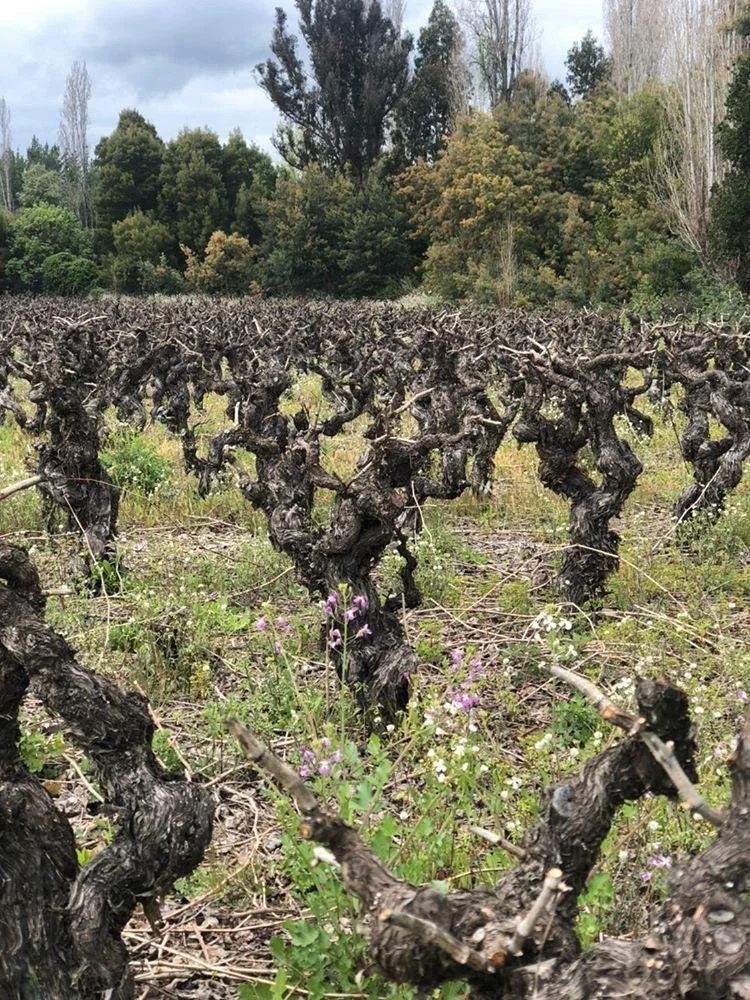
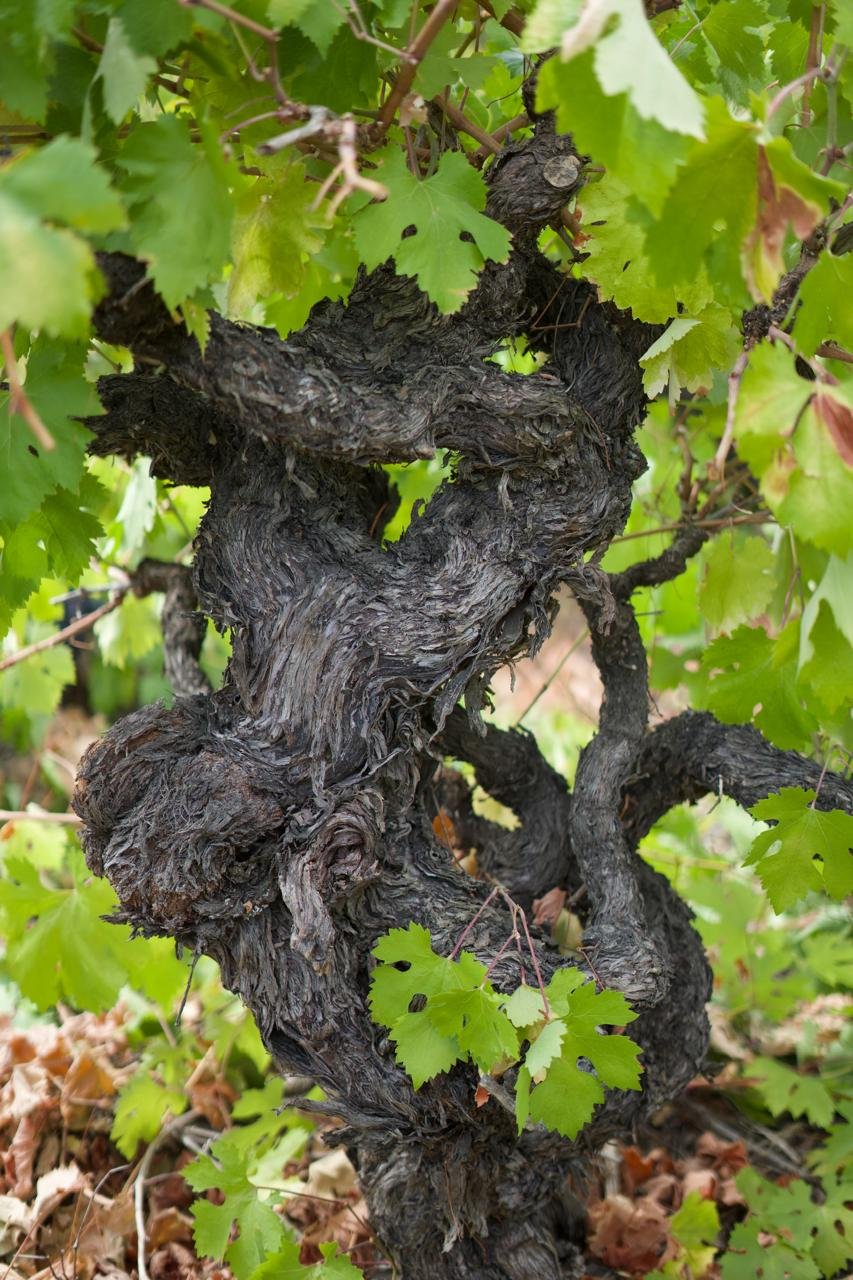
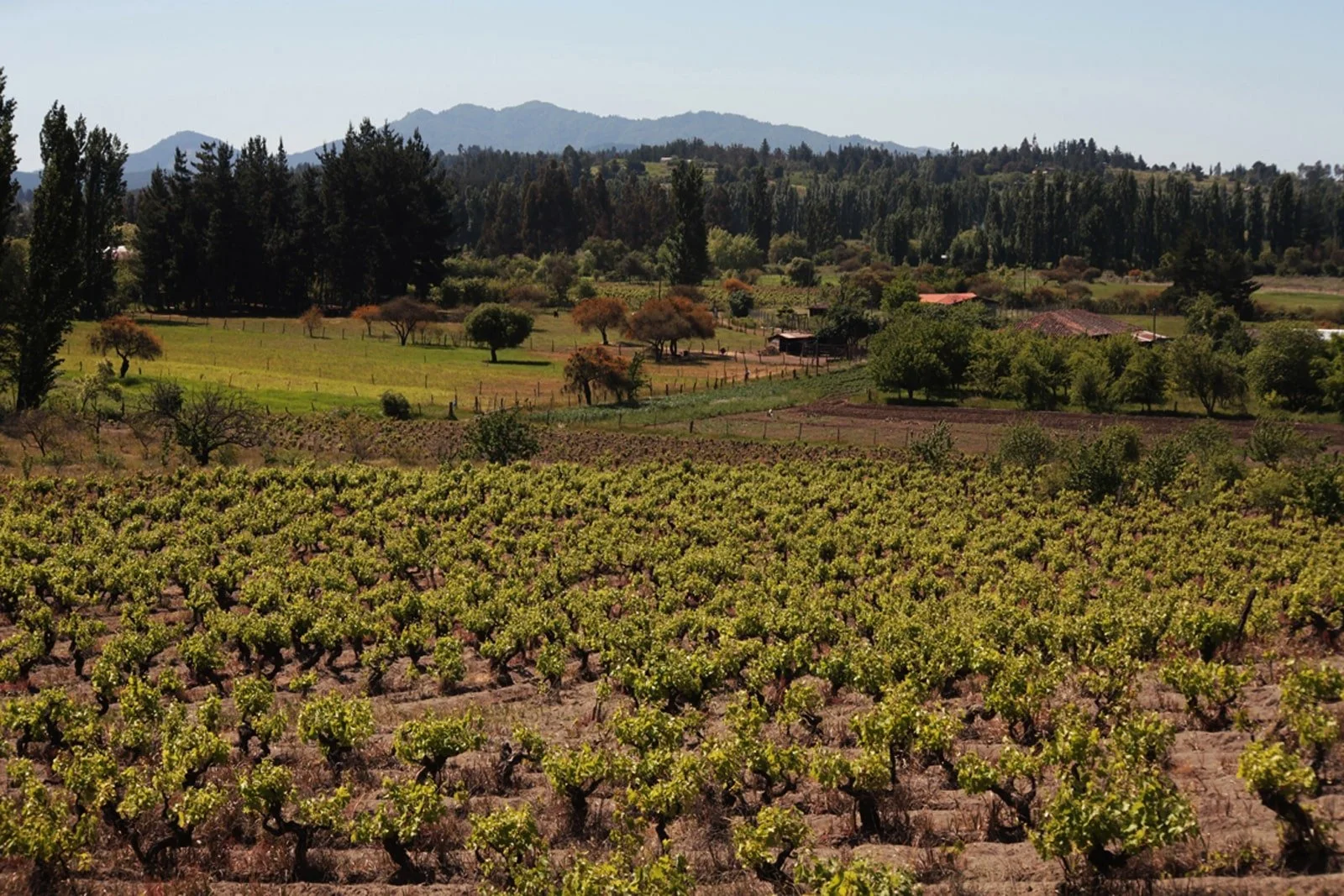
Recognized as one of the oldest wine regions in Chile and the New World, Itata marks the birthplace of Chilean viticulture. Grapevines were first introduced in the 16th century by Spanish settlers, and winemaking quickly became an essential part of rural life. Over time, vineyards were planted in dry-farmed conditions, with many vines trained in the traditional bush vine (head-trained) style.
While other regions modernized and expanded, Itata remained relatively isolated—allowing it to preserve ancestral farming practices and historic grape varieties such as País, Cinsault, and Carignan. Today, the valley is experiencing a renaissance, gaining international recognition for wines that express authenticity, heritage, and a deep connection to place.
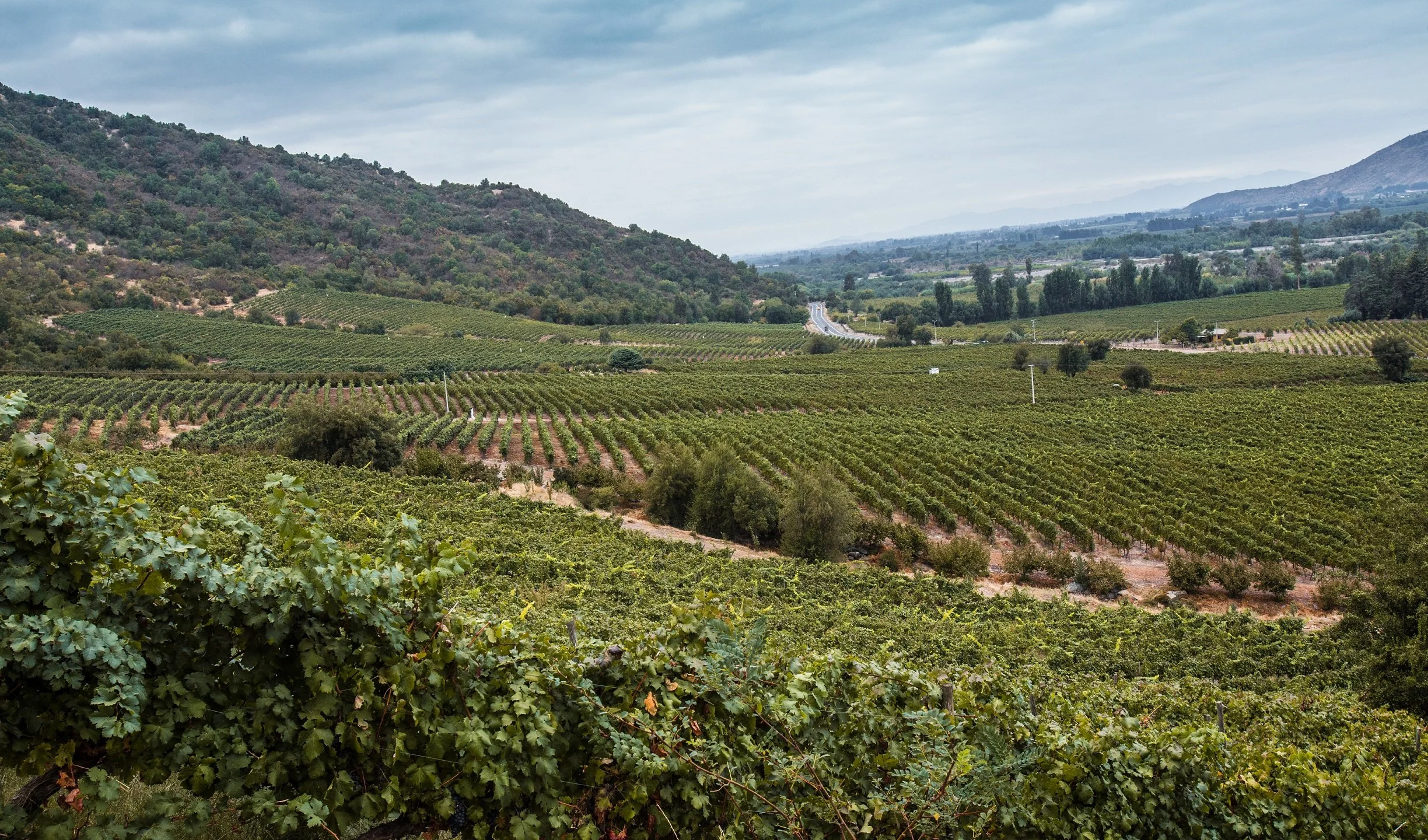
Traditional Fermentation and Winemaking Practices of the Itata Valley
It all begins with an idea.
The Itata Valley, one of Chile’s oldest wine regions, is defined by a winemaking philosophy deeply rooted in rural tradition, respect for nature, and minimal intervention. Unlike more industrialized valleys, technique in Itata serves the land — not the other way around.
Typical Fermentations in Itata
At the heart of Itata wines is spontaneous alcoholic fermentation, carried out with native yeasts naturally present on the grapes and in the cellar. While less standardized, this process allows each wine to express its origin with authenticity and nuance.
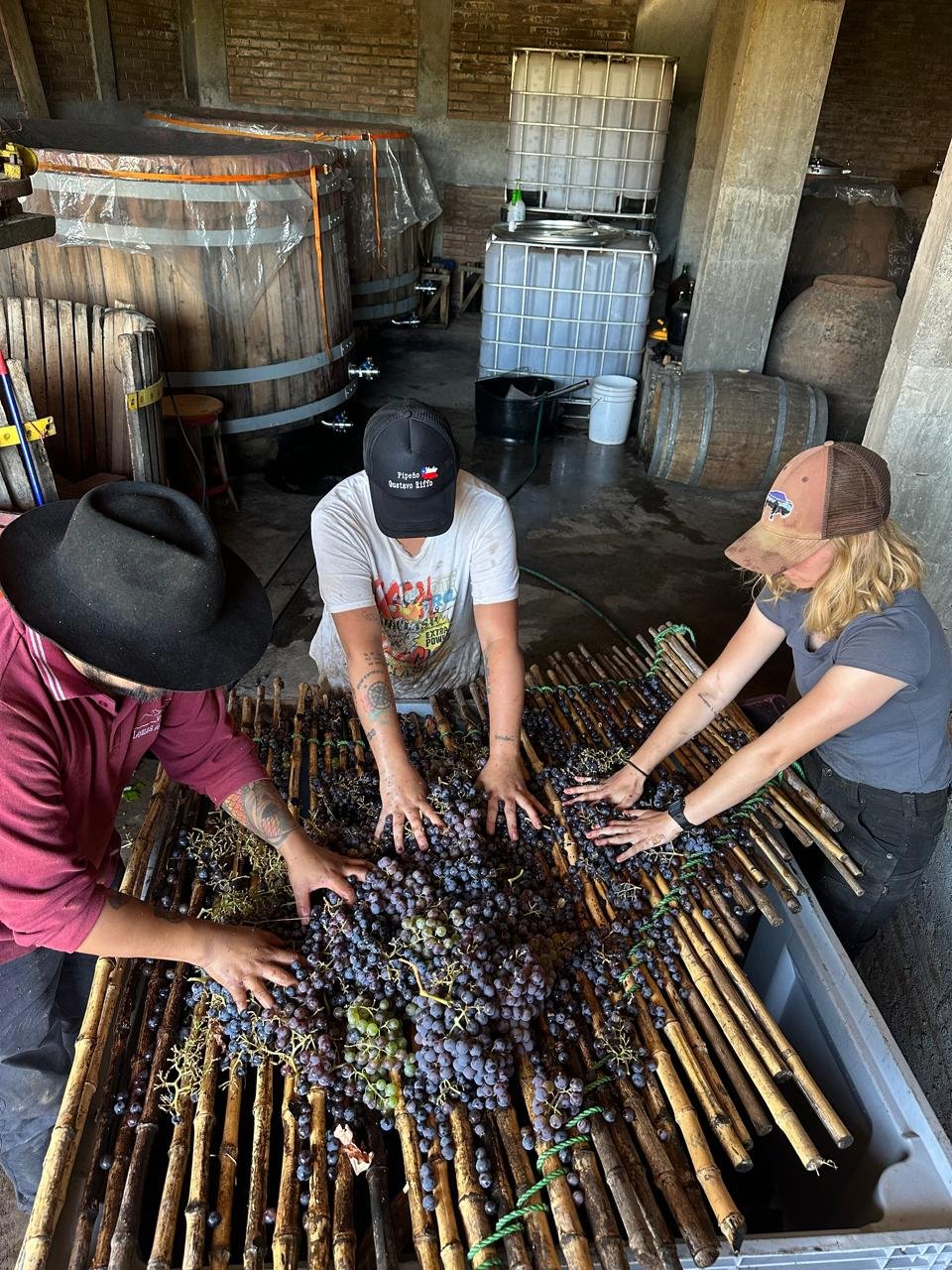
In red wines — particularly those made from País, Cinsault, and dry-farmed Carignan — malolactic fermentation occurs naturally, softening acidity while preserving freshness. In some cases, whole-cluster or semi-carbonic fermentation is used, enhancing aromatic lift, delicacy, and drinkability.
Traditional Vessels and Materials
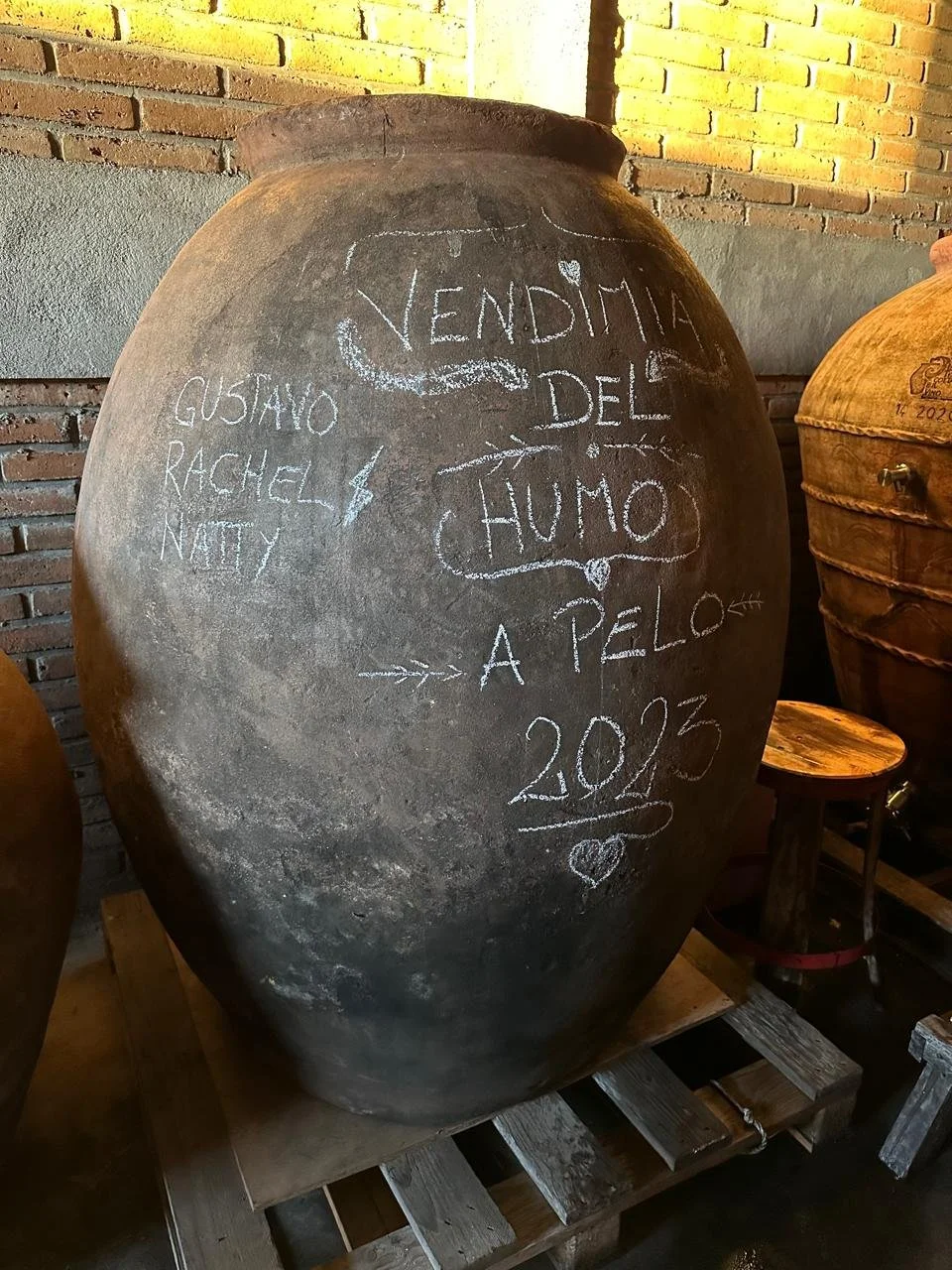
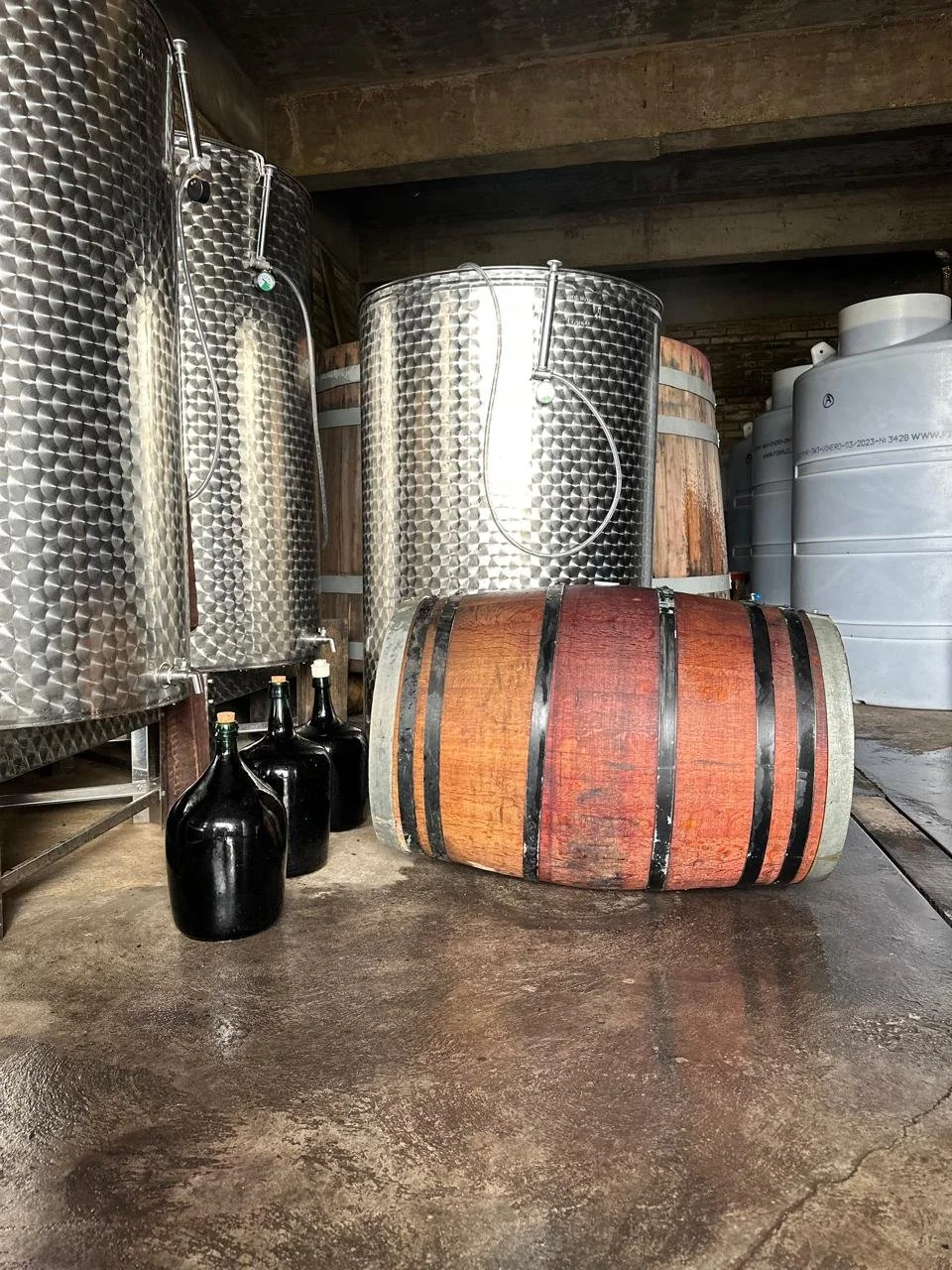
Historically, fermentation in Itata took place in clay amphorae (tinajas de greda), earthen vessels that allow gentle micro-oxygenation without imparting external flavors. Today, these coexist with unlined concrete tanks and neutral, well-seasoned wooden foudres, all chosen to respect the purity of fruit and site.
Characteristic Winemaking Techniques
Winemaking in Itata emphasizes gentle extraction: short macerations, minimal pump-overs, and moderate fermentation temperatures. The goal is not power or concentration, but infusion, resulting in wines with fine texture, natural balance, and high drinkability.
In traditional white varieties such as Moscatel and old-vine Sémillon, soft pressing and extended lees aging are common, adding depth and mouthfeel without the need for new oak. The use of sulfur is low or sometimes nonexistent, reinforcing the honest, artisanal character of these wines.
A Distinctive Sense of Place
The result is wines with moderate alcohol, naturally vibrant acidity, freshness, and a strong sense of place. These are wines that do not seek to dominate, but to tell a story — one of ancient vines, dry-farmed landscapes, and a living tradition now rediscovered and celebrated worldwide.
Itata is not a trend.
It is memory, landscape, and future — bottled.
Wine, Nature, and Adventure Tourism
It all begins with an idea.
The Itata Valley is a destination for travelers seeking something different, far from mass tourism and traditional wine routes. Here, wine is only part of the journey; the true experience lies in open landscapes, rural roads, and a deep connection with nature.
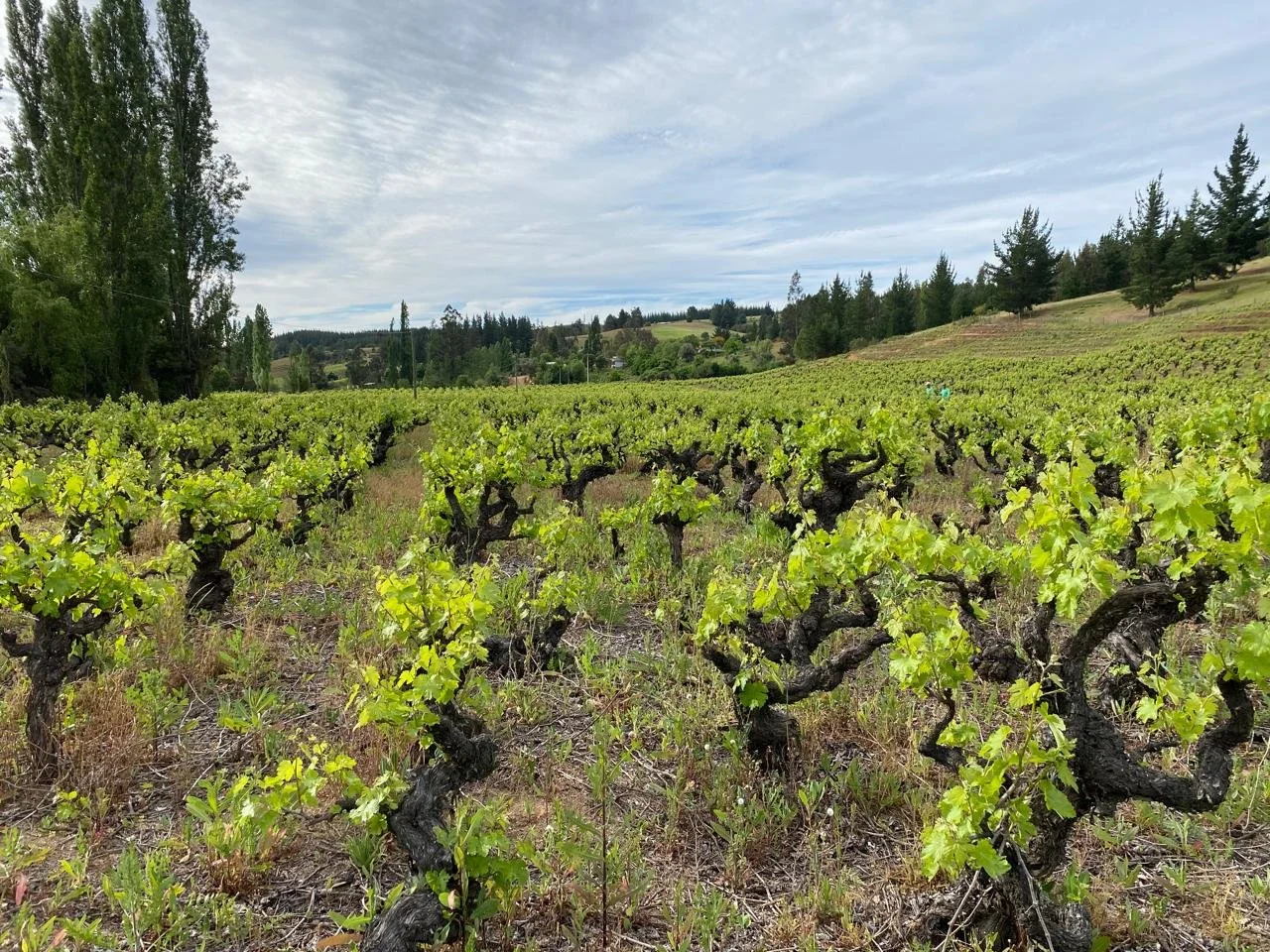
Located between the Pacific Ocean and Chile’s Coastal Range, Itata brings together ancient dry-farmed vineyards, native forests, rivers, and a dramatic coastline. Small producers welcome visitors with warmth and authenticity, sharing wine, stories, and local food in a place where hospitality feels natural and unforced.
Beyond the valley, the land begins to rise and the landscape transforms. The air cools, the horizon opens, and the cordillera shapes the rhythm of the seasons. Volcanic peaks, winter snow, and wide-open skies expand the experience through skiing, hiking, hot springs, and mountain life.
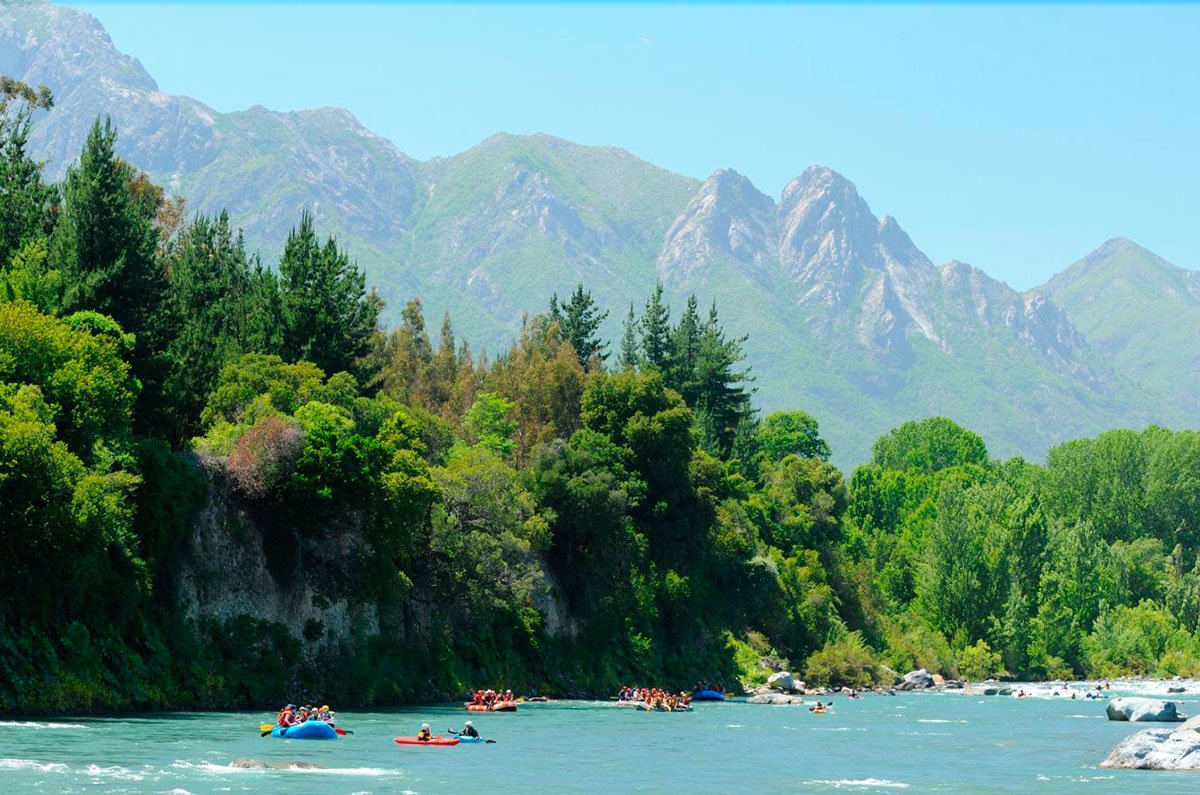
From enotourism — with nighttime tastings under the stars and horseback rides through ancient vineyards — to adventure unfolding through hiking, rural cycling, coastal exploration, rafting, and canopy experiences, Itata invites travelers to explore the land with all their senses.
The Itata Valley is more than a destination — it is an experience meant to be lived