Traditional Fermentation and Winemaking Practices of the Itata Valley
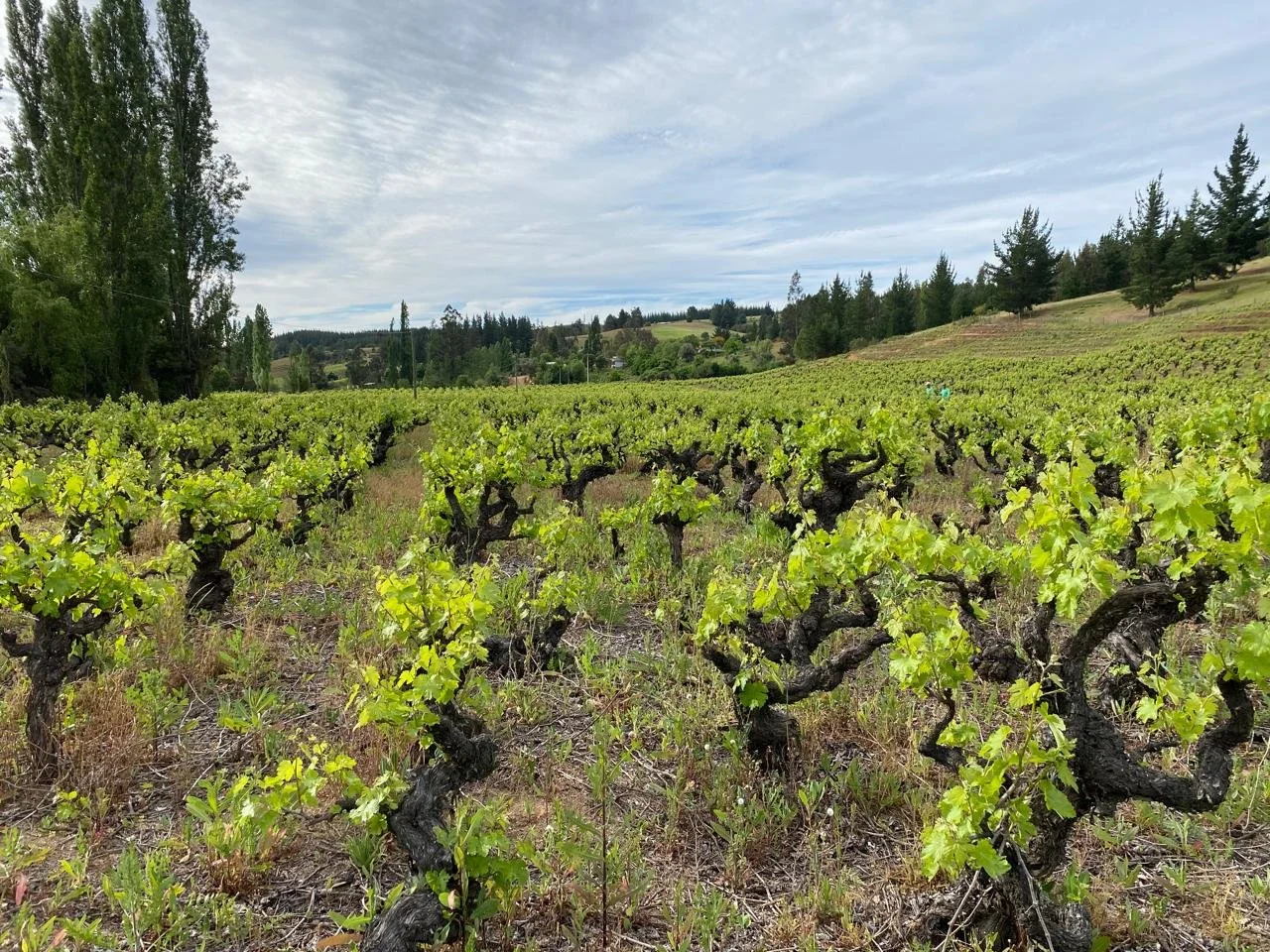
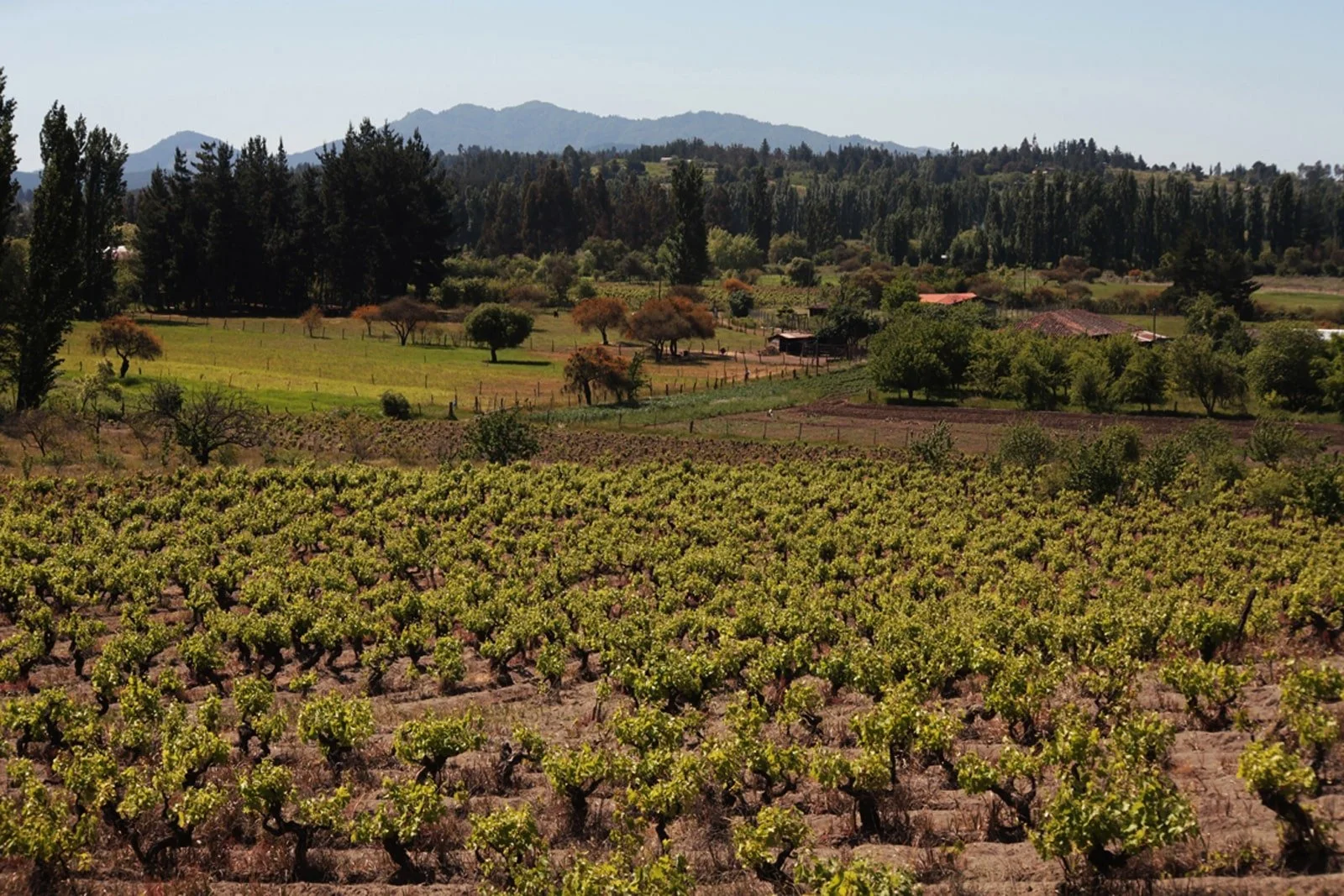
The Itata Valley, one of Chile’s oldest wine regions, is defined by a winemaking philosophy deeply rooted in rural tradition, respect for nature, and minimal intervention. Unlike more industrialized valleys, technique in Itata serves the land — not the other way around.
Typical Fermentations in Itata
At the heart of Itata wines is spontaneous alcoholic fermentation, carried out with native yeasts naturally present on the grapes and in the cellar. While less standardized, this process allows each wine to express its origin with authenticity and nuance.
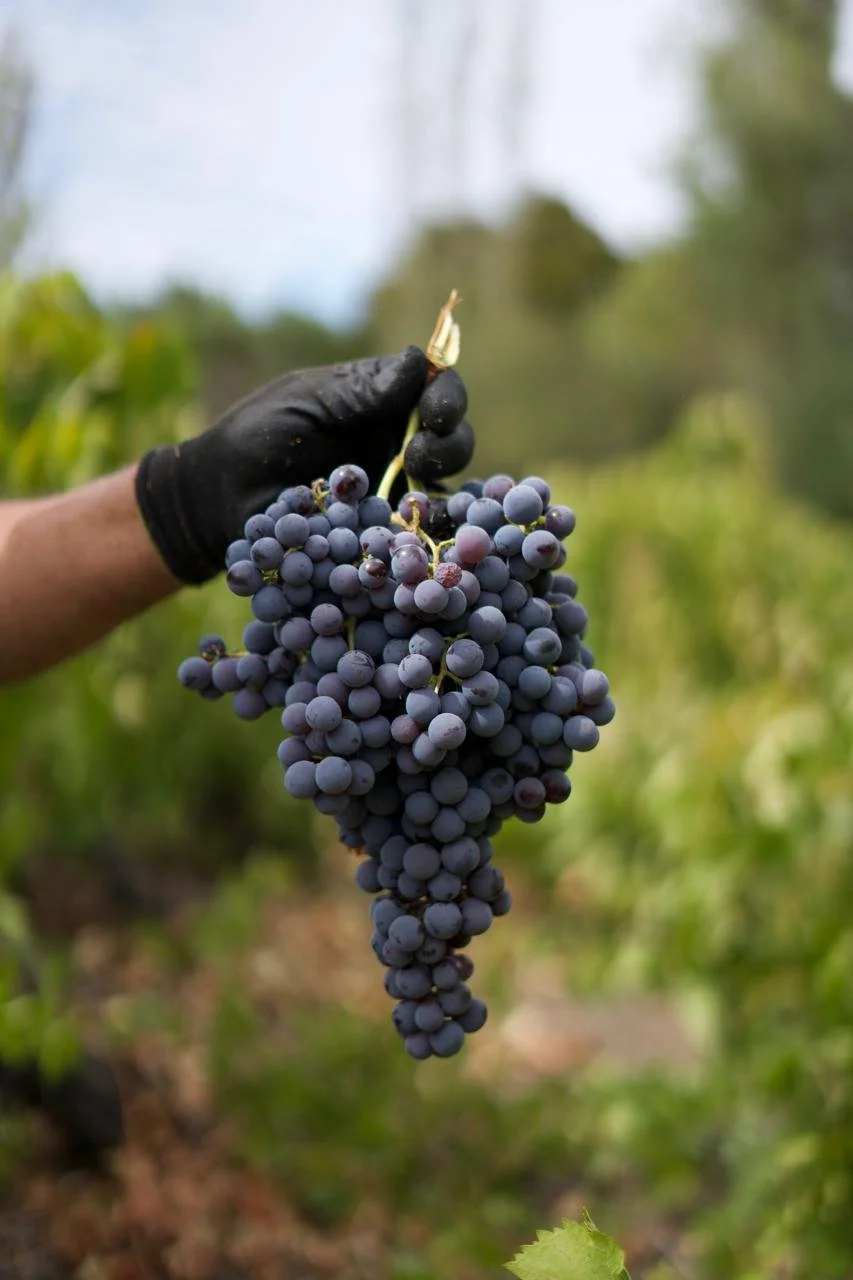
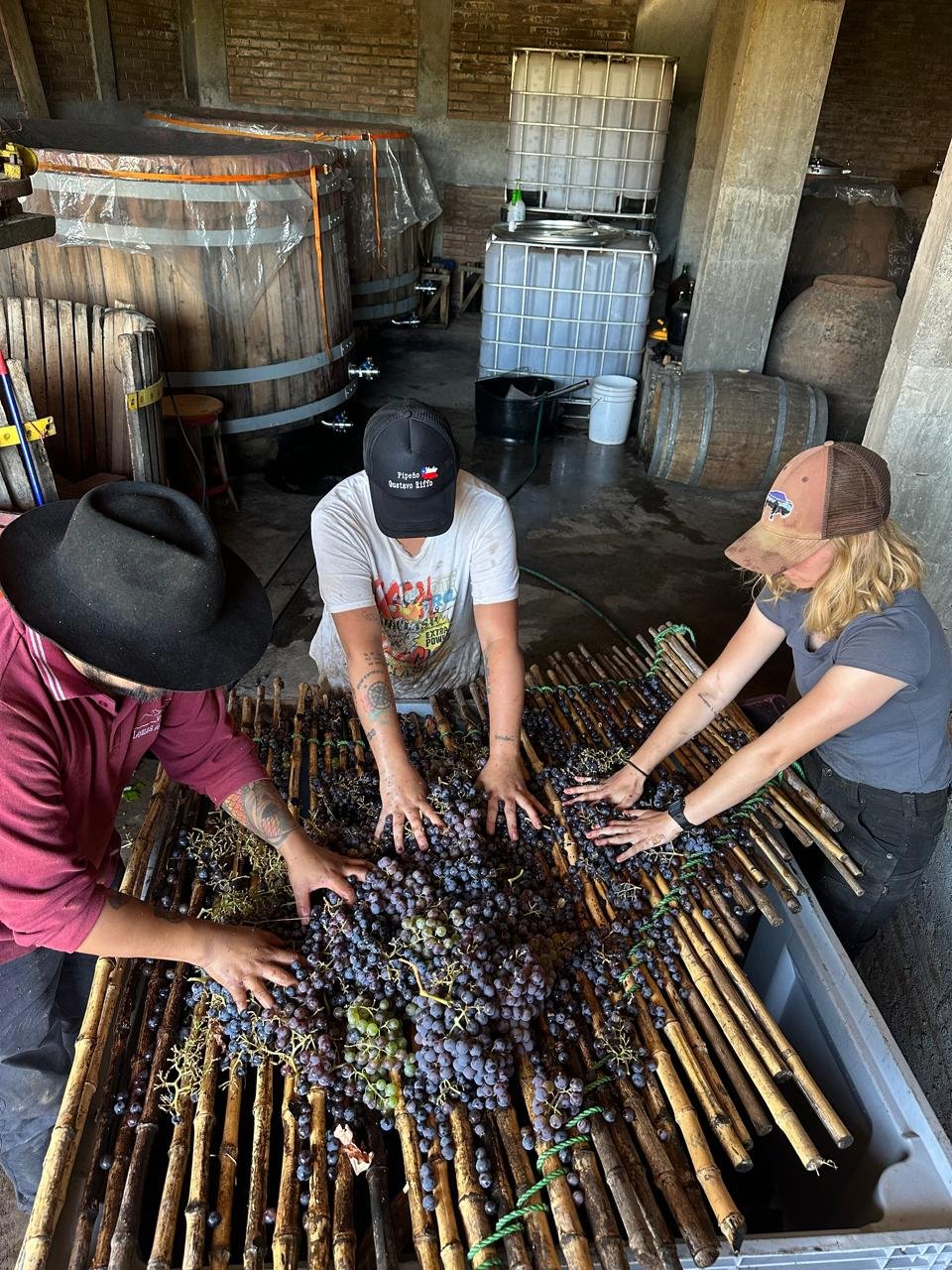
In red wines — particularly those made from País, Cinsault, and dry-farmed Carignan — malolactic fermentation occurs naturally, softening acidity while preserving freshness. In some cases, whole-cluster or semi-carbonic fermentation is used, enhancing aromatic lift, delicacy, and drinkability.
Traditional Vessels and Materials
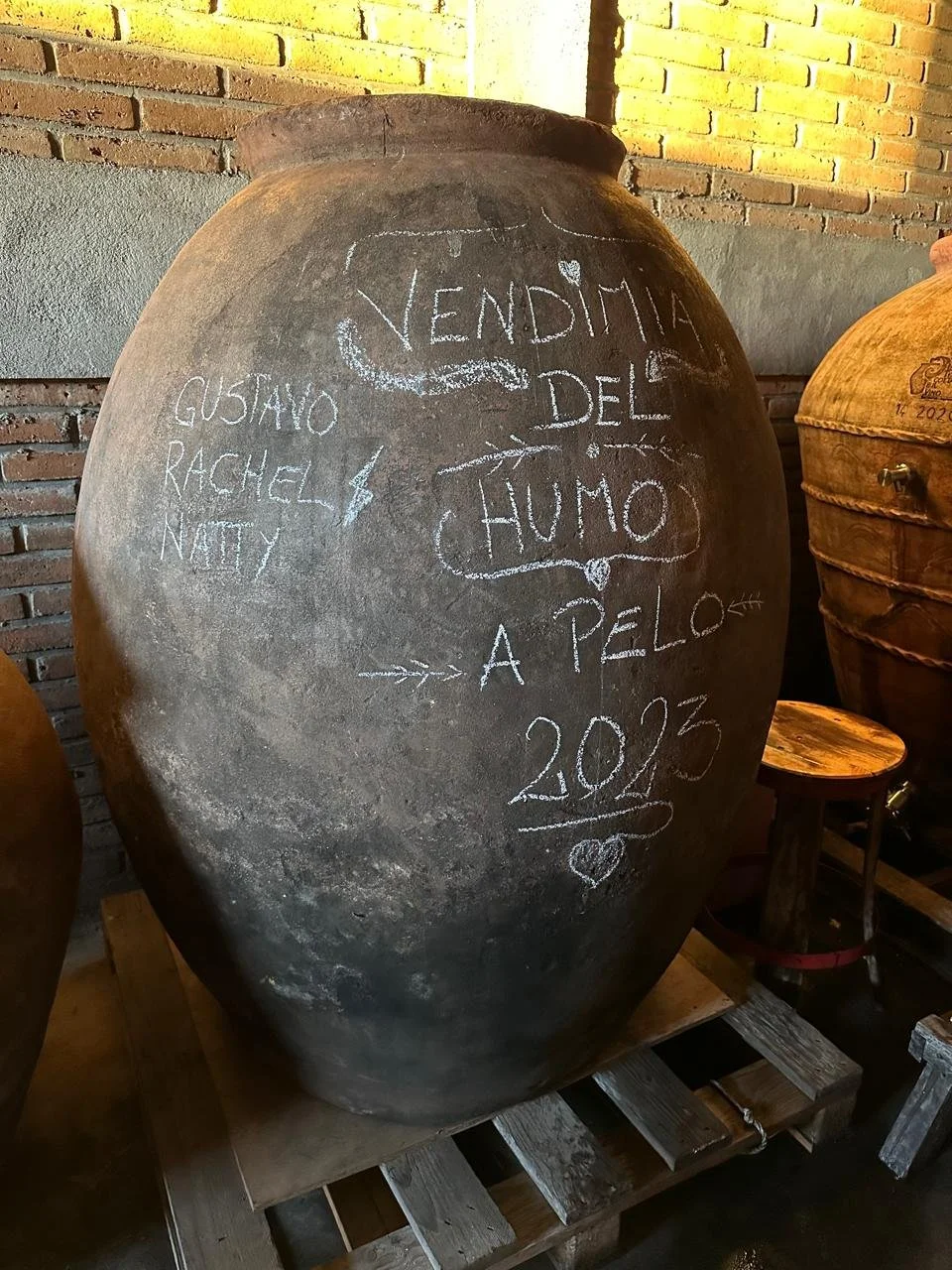
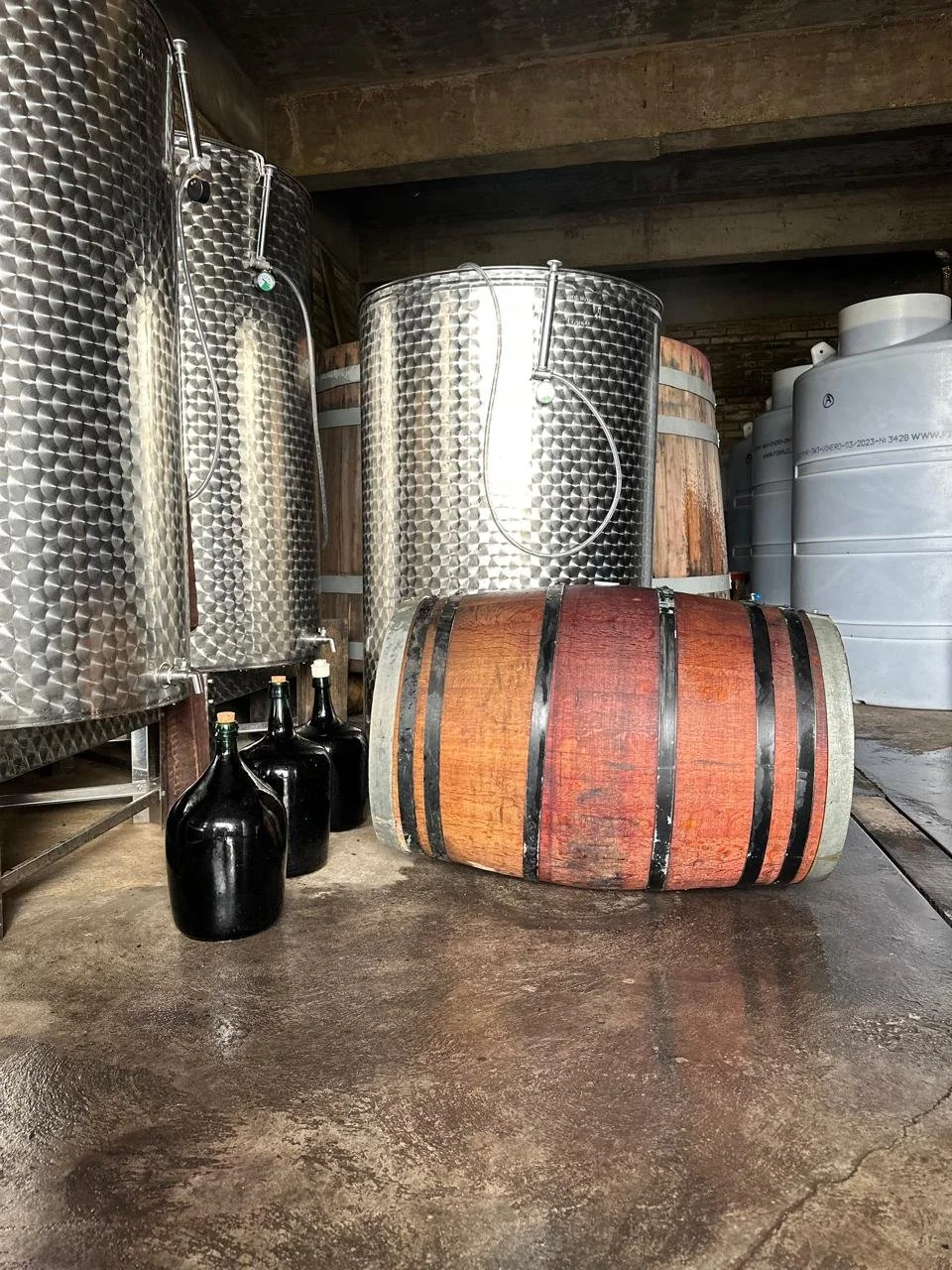
Historically, fermentation in Itata took place in clay amphorae (tinajas de greda), earthen vessels that allow gentle micro-oxygenation without imparting external flavors. Today, these coexist with unlined concrete tanks and neutral, well-seasoned wooden foudres, all chosen to respect the purity of fruit and site.
Characteristic Winemaking Techniques
Winemaking in Itata emphasizes gentle extraction: short macerations, minimal pump-overs, and moderate fermentation temperatures. The goal is not power or concentration, but infusion, resulting in wines with fine texture, natural balance, and high drinkability.
In traditional white varieties such as Moscatel and old-vine Sémillon, soft pressing and extended lees aging are common, adding depth and mouthfeel without the need for new oak. The use of sulfur is low or sometimes nonexistent, reinforcing the honest, artisanal character of these wines.
A Distinctive Sense of Place
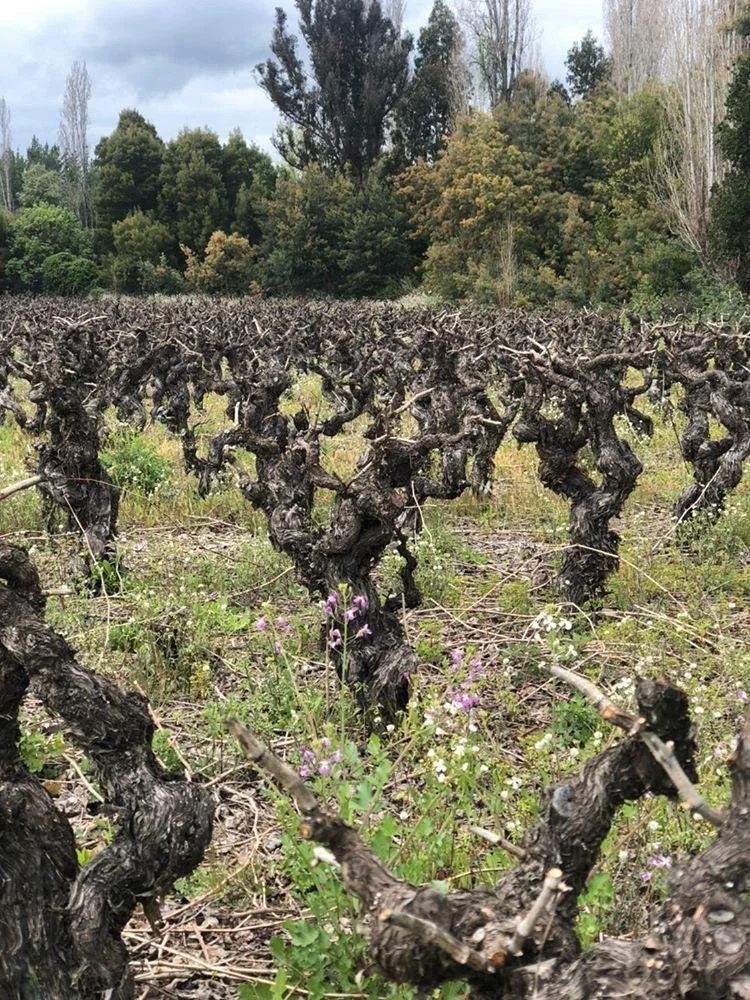
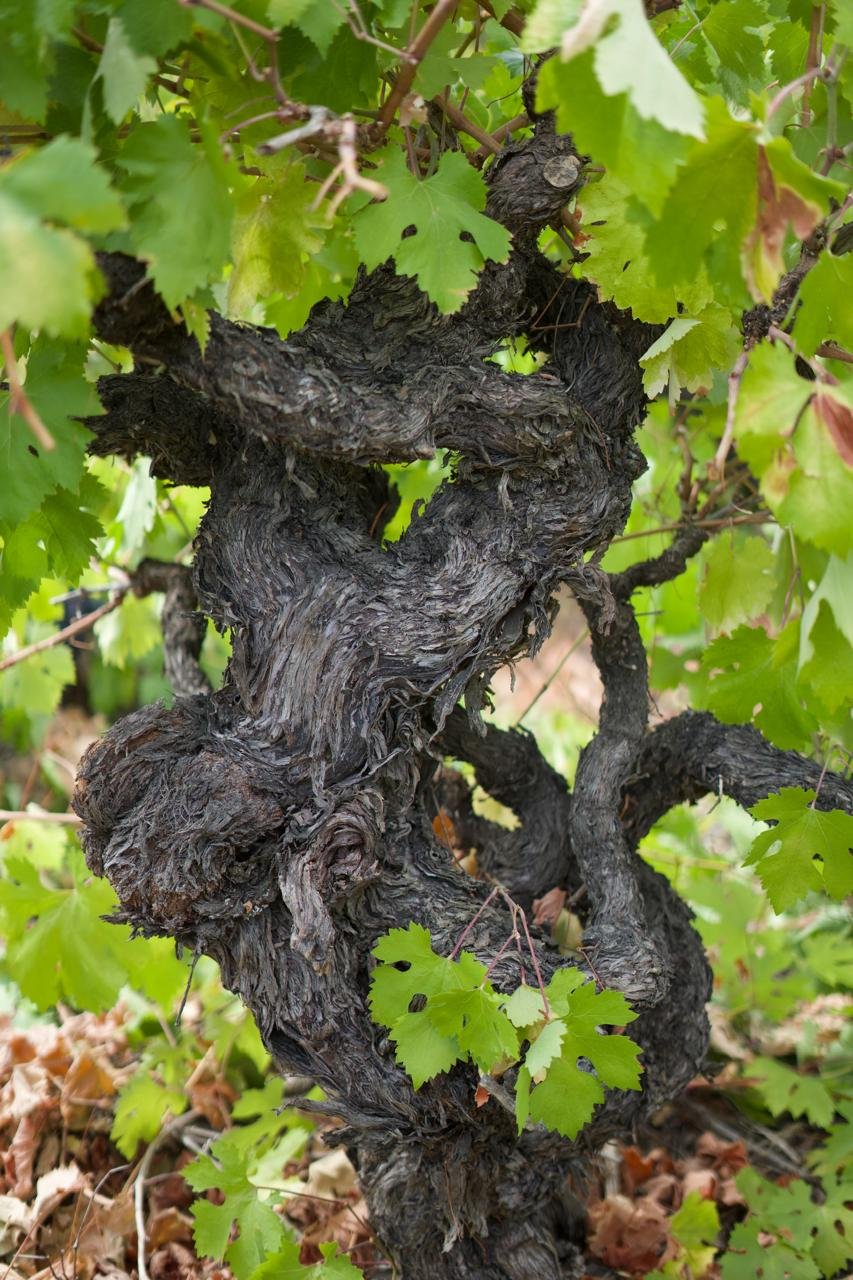
The result is wines with moderate alcohol, naturally vibrant acidity, freshness, and a strong sense of place. These are wines that do not seek to dominate, but to tell a story — one of ancient vines, dry-farmed landscapes, and a living tradition now rediscovered and celebrated worldwide.
Itata is not a trend.
It is memory, landscape, and future — bottled.